正在确认阅读权限…
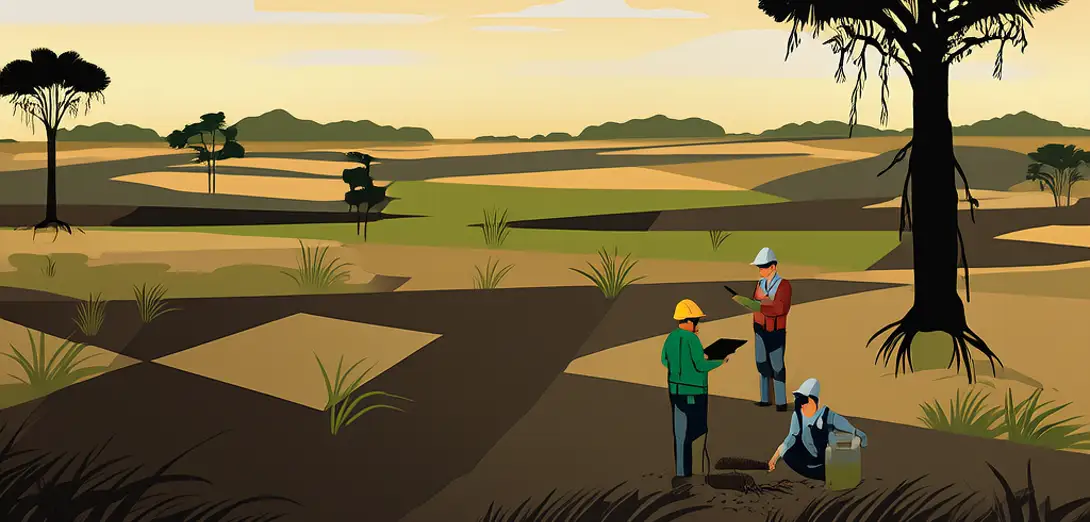
Amazon Deforestation Frontiers: Beyond the Binary of Forest and Farm
亚马孙毁林前沿:超越森林与农田的二元对立
-
Deforestation in the Brazilian Amazon is no longer driven solely by large-scale cattle ranching, but increasingly by speculative land grabbing and fragmented smallholder clearing.巴西亚马逊雨林的毁林原因已不再 solely是大规模养牛业,而越来越多地源于投机性占地和小农户零散砍伐。
-
Satellite alerts now trigger rapid-response inspections, yet enforcement lags due to jurisdictional overlap between federal, state, and Indigenous agencies.卫星警报现已触发快速响应检查,但由于联邦、州和原住民机构之间管辖权重叠,执法仍显滞后。
-
Indigenous territories contain 80% of remaining intact rainforest—making demarcation not just legal, but climatic infrastructure.原住民领地涵盖现存完整雨林的80%,因此划界不仅是法律问题,更是气候基础设施建设。
-
Soy expansion follows road paving, but recent growth occurs within already-cleared areas, suggesting market-driven intensification over frontier expansion.大豆种植扩张紧随道路修建之后,但近年增长主要发生在已开垦区域内,表明市场驱动的集约化正取代边疆扩张。
-
Carbon credit verification struggles with leakage: protecting one hectare often displaces clearing to adjacent, unprotected lands.碳信用认证面临泄漏难题:保护一公顷林地,常导致砍伐活动转移到邻近未受保护的土地。
-
Agroforestry initiatives led by quilombola communities integrate cocoa, rubber, and native fruits—achieving income parity while maintaining canopy cover.由奎隆博拉社区主导的农林复合项目整合可可、橡胶与本土水果,在维持树冠覆盖的同时实现收入持平。
-
China’s soy import policies indirectly shape land-use decisions thousands of kilometers away, illustrating global commodity chain geography.中国的大豆进口政策间接影响数千公里外的土地利用决策,凸显全球大宗商品链条的地理关联。
-
Fire use for pasture renewal has intensified during drought years, blurring lines between traditional practice and climate-amplified hazard.旱年牧场轮烧用火加剧,传统实践与气候加剧型灾害之间的界限日益模糊。
-
Municipal-level data reveals deforestation hotspots correlate strongly with weak local governance—not just poverty or remoteness.市级数据显示,毁林热点与地方治理薄弱高度相关,而不仅取决于贫困或偏远程度。
-
Effective intervention requires recognizing the Amazon not as wilderness, but as a mosaic of overlapping sovereignties, economies, and ecologies.有效干预需将亚马逊视为多重主权、经济与生态交织的镶嵌体,而非荒野。