正在确认阅读权限…
North Island Geothermal Systems: Power, Culture, and Subsurface Uncertainty
新西兰北岛地热系统:能源、文化与地下不确定性
-
New Zealand generates over 18% of its electricity from geothermal sources concentrated along the Taupō Volcanic Zone in the North Island.新西兰超过18%的电力来自北岛陶波火山带集中的地热资源。
-
Māori iwi hold customary rights to geothermal features—recognized in Treaty settlements—which require consent for commercial development.毛利部落对地热资源享有习惯性权利——《怀唐伊条约》和解协议予以承认——商业开发须获其同意。
-
Geothermal wells extract fluid at temperatures exceeding 300°C, yet reservoir pressure decline necessitates careful reinjection to avoid subsidence.地热井抽取温度超300°C的流体,但储层压力下降要求谨慎回灌,以防地面沉降。
-
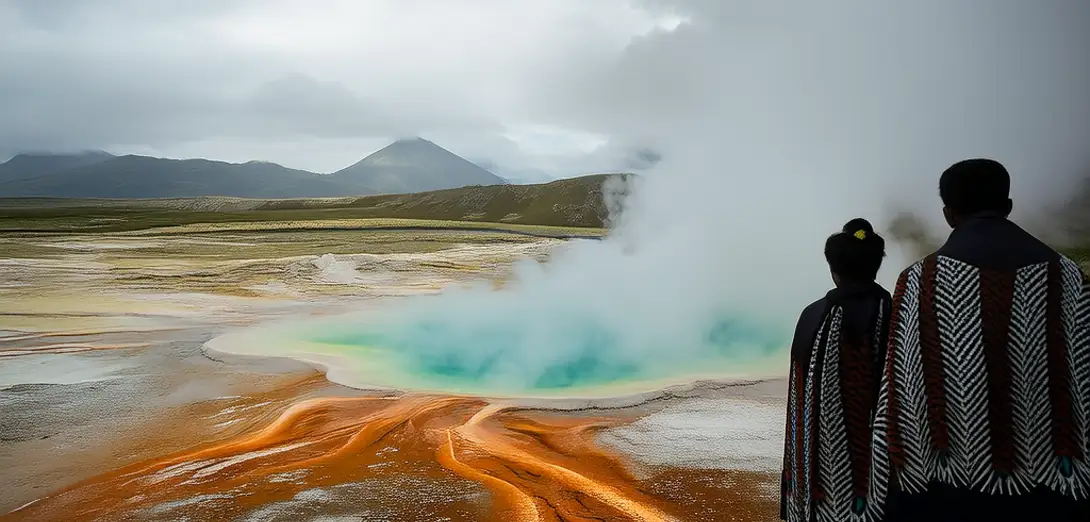
Rotorua’s geysers and mud pools sustain tourism, but acid sulfate soils limit agriculture—a trade-off embedded in land-use planning.罗托鲁瓦的间歇泉与泥浆池支撑旅游业,但酸性硫酸盐土壤限制农业发展——这是土地利用规划中固有的权衡。
-
Real-time seismic arrays monitor micro-earthquakes to forecast potential wellfield instability before mechanical failure occurs.实时地震监测阵列追踪微震,以在机械故障发生前预判井场失稳风险。
-
Cultural impact assessments now precede exploration permits, evaluating effects on wāhi tapu (sacred sites) and traditional steam-bathing practices.文化影响评估现已成为勘探许可前置程序,评估项目对圣地(wāhi tapu)及传统蒸汽浴习俗的影响。
-
Exporting geothermal expertise to Kenya and Indonesia reflects New Zealand’s soft power in renewable transition diplomacy.向肯尼亚和印尼输出地热技术专长,彰显新西兰在可再生能源转型外交中的软实力。
-
Corrosion-resistant alloys extend turbine life, but rare-earth element dependencies introduce new supply chain vulnerabilities.耐腐蚀合金延长了汽轮机寿命,但稀土元素依赖又带来新的供应链脆弱性。
-
Community benefit agreements ensure local ownership stakes in plants—transforming energy infrastructure from external imposition to shared asset.社区收益协议确保当地社区持有电厂股份——使能源基础设施从外部强加转变为共同资产。
-
This landscape teaches that sustainable energy isn’t only about watts or emissions, but about negotiating visibility between surface culture and hidden earth forces.这片土地昭示:可持续能源不仅关乎瓦特或排放,更在于调和地表文化与地下自然力之间的可见性关系。