正在确认阅读权限…
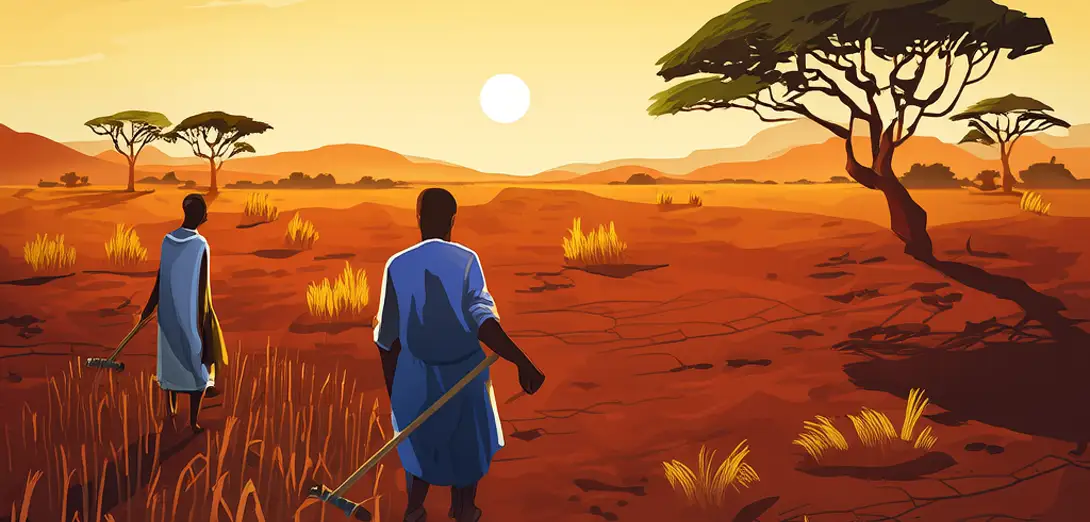
The Sahel’s Shifting Climates: Adaptation Beyond Rainfall Metrics
萨赫勒气候变迁:超越降雨量指标的适应之道
-
Rainfall totals in the Sahel have recovered since the 1980s droughts, yet intra-seasonal variability—dry spells during critical planting windows—has increased sharply.萨赫勒地区降雨总量自1980年代干旱以来已恢复,但雨季内变异性——关键播种期的干旱期——却急剧上升。
-
Farmers in Niger now use indigenous phenological indicators—like acacia leaf flush timing—to calibrate sowing, supplementing unreliable meteorological forecasts.尼日尔农民如今利用当地物候指标(如金合欢树展叶时间)校准播种期,以弥补气象预报的不可靠性。
-
Pastoralist mobility corridors are shrinking due to fencing, crop expansion, and border militarization, constraining adaptive herd movement.由于围栏建设、耕地扩张和边境军事化,游牧民迁徙通道日益萎缩,限制了牲畜适应性迁移。
-
Solar-powered drip irrigation enables vegetable production near urban markets, yet depends on imported pumps and spare parts vulnerable to supply shocks.太阳能滴灌技术使城郊蔬菜种植成为可能,但依赖进口水泵及备件,易受供应链冲击影响。
-
UNDP-supported weather index insurance pays out when satellite-derived vegetation indices fall below thresholds—bypassing slow ground verification.联合国开发计划署支持的天气指数保险,依据卫星遥感植被指数跌破阈值即自动赔付,绕过缓慢的实地核查。
-
Soil crusting from intense convective storms reduces infiltration, making even modest rainfall ineffective for seed germination.强对流风暴导致土壤结壳,降低入渗能力,致使即使少量降雨也无法满足种子萌发需求。
-
Youth migration to cities reflects not just poverty, but rational calculation: farming returns now lag behind informal service sector wages.青年向城市迁移不仅源于贫困,更是一种理性选择:当前务农收益已落后于非正规服务业工资水平。
-
Transhumance routes crossing Burkina Faso, Mali, and Senegal are being mapped collectively by herder associations to negotiate access rights.跨越布基纳法索、马里和塞内加尔的季节性迁牧路线,正由牧民协会共同绘制,以协商通行权。
-
Climate services must translate probabilistic models into actionable advice—such as recommending millet varieties with shorter maturity cycles.气候服务须将概率模型转化为可操作建议,例如推荐生育期更短的粟米品种。
-
Adaptation here is less about engineering solutions and more about rebuilding social institutions capable of managing uncertainty collectively.此处的适应行动,重点不在工程技术方案,而在于重建能集体应对不确定性的社会制度。