正在确认阅读权限…
Why mRNA Lipid Nanoparticles Need Cold Chains
为何mRNA脂质纳米颗粒需冷链运输
-
mRNA vaccines rely on fragile genetic molecules that degrade quickly at room temperature.mRNA疫苗依赖于在室温下极易降解的脆弱遗传分子。
-
Scientists package mRNA inside tiny fat-based carriers called lipid nanoparticles, or LNPs.科学家将mRNA封装在名为脂质纳米颗粒(LNPs)的微小脂肪载体中。
-
These LNPs protect the mRNA like a bubble wrap during its journey into human cells.这些LNPs像气泡膜一样,在mRNA进入人体细胞的过程中为其提供保护。
-
But heat makes the lipids wobble, causing the particles to leak or clump together.但高温会使脂质分子变得不稳定,导致颗粒泄漏或聚集。
-
Even brief exposure above –20°C can reduce vaccine potency by over 30% in 48 hours.即使短暂暴露于–20°C以上环境,48小时内疫苗效力也会下降超30%。
-
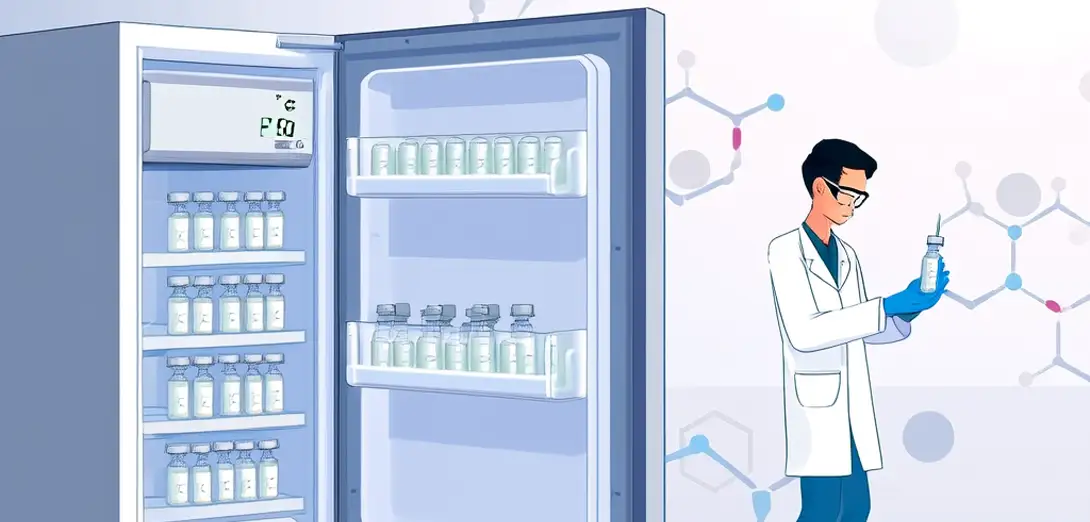
That is why ultra-cold freezers and dry ice are essential for global distribution.因此,超低温冰箱和干冰对全球分发至关重要。
-
New research focuses on adding sugar-like stabilizers to help LNPs survive warmer conditions.最新研究聚焦于添加糖类稳定剂,以提升LNPs在较高温度下的耐受性。
-
Some next-generation formulations now stay stable for weeks at refrigerator temperatures.部分新一代制剂现已可在冰箱温度下保持数周稳定性。
-
This improvement could expand vaccine access in remote or low-resource regions.这一改进有望扩大偏远或资源匮乏地区的疫苗可及性。
-
Understanding LNP stability helps us appreciate both biotech innovation and logistics science.理解LNPs的稳定性,有助于我们同时认识生物技术创新与物流科学的价值。