正在确认阅读权限…
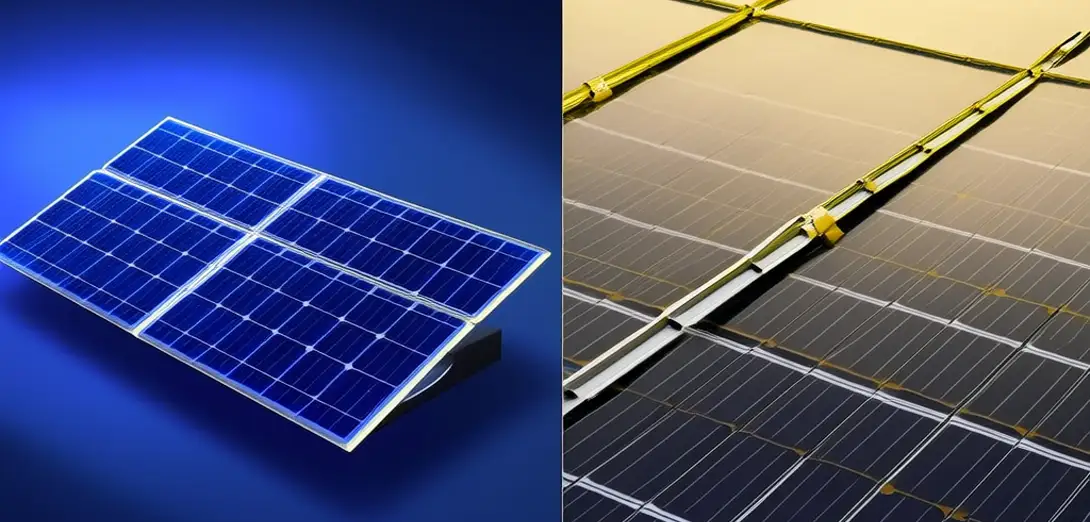
Why Perovskite Solar Cells Show Lab Gains But Lag in Real-World Stability Tests
钙钛矿太阳能电池为何实验室效率高,但实测稳定性不足?
-
Perovskite cells reach over twenty-six percent efficiency in labs—nearly matching silicon—but degrade rapidly under heat and moisture.钙钛矿电池在实验室中效率超过26%,已接近硅电池,但在高温高湿环境下衰减迅速。
-
Their crystal lattice breaks down when exposed to UV light or oxygen, releasing volatile organic components over weeks.其晶体结构在紫外线或氧气作用下易分解,数周内便释放出挥发性有机成分。
-
Encapsulation helps, yet microscopic pinholes in barrier films let in enough humidity to trigger ion migration inside the layer.封装可延缓衰减,但阻隔膜上的微米级针孔仍会渗入足量湿气,诱发层内离子迁移。
-
Unlike silicon panels tested for twenty-five years, perovskites lack standardized field aging protocols for commercial certification.与经25年实证测试的硅基组件不同,钙钛矿尚无统一的户外老化评估标准以获商业认证。
-
Manufacturers stack perovskite on silicon in tandem cells to boost output, but interlayer stress accelerates delamination outdoors.厂商将钙钛矿与硅叠层制成叠层电池以提升输出,但层间应力会加速户外环境下的脱层。
-
Accelerated stress tests simulate years of desert sun in days, revealing efficiency drops of fifteen percent after 1,000 hours.加速老化测试可在数天内模拟沙漠阳光数年照射效果,1000小时后效率下降达15%。
-
Researchers add cesium or rubidium ions to stabilize the lattice, yet batch-to-batch consistency remains hard at scale.研究人员添加铯或铷离子以稳定晶格,但规模化生产中批次间一致性仍难保障。
-
Grid-scale pilot farms in Germany and Japan monitor performance decay monthly to refine encapsulation chemistry.德国和日本的大型示范电站每月监测性能衰减,以优化封装材料化学体系。
-
Cost advantages exist—perovskites use solution processing like inkjet printing—but durability must match price to displace silicon.钙钛矿具备成本优势——采用类似喷墨打印的溶液工艺,但耐久性须与低价匹配才能替代硅。
-
Until encapsulation and interfacial engineering mature, perovskites remain promising in labs, not rooftops.在封装与界面工程成熟前,钙钛矿仍止步于实验室,尚未登上屋顶商用。