正在确认阅读权限…
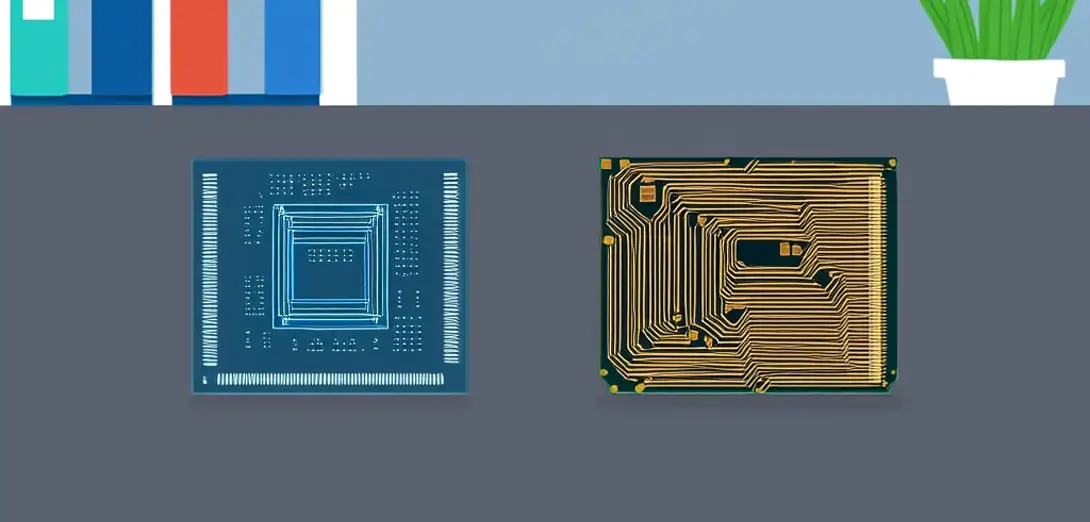
Why Neuromorphic Chips Use Far Less Energy Than Traditional AI Processors
类脑计算与能耗对比
-
Neuromorphic chips mimic neuron behavior using analog circuits instead of digital logic gates.神经形态芯片使用模拟电路而非数字逻辑门来模拟神经元行为。
-
They only consume power when signals spike—unlike CPUs that burn energy constantly.它们仅在信号产生脉冲时耗电,而CPU则持续耗能。
-
A single neuromorphic chip can process sensory data with less than one watt of power.单颗神经形态芯片处理感官数据的功耗低于1瓦。
-
Traditional AI accelerators use gigabytes of memory transfers per second, wasting energy on data movement.传统AI加速器每秒需进行吉字节级内存传输,大量能量浪费在数据搬运上。
-
Brain-inspired architectures compute locally, avoiding bottlenecks between processor and memory.受大脑启发的架构在本地计算,避免处理器与内存之间的瓶颈。
-
Researchers measured 100x lower energy per inference on spiking neural networks versus GPUs.研究人员测得,脉冲神经网络每次推理的能耗比GPU低100倍。
-
These chips excel at real-time tasks like gesture recognition or anomaly detection in sensors.这类芯片擅长实时任务,如手势识别或传感器异常检测。
-
They run efficiently on battery-powered edge devices without needing cloud offloading.它们可在电池供电的边缘设备上高效运行,无需卸载至云端。
-
Scaling up requires new programming models, since conventional code doesn’t map well to spikes.扩大规模需新编程模型,因为传统代码难以适配脉冲机制。
-
Long-term, they may enable always-on environmental monitoring with solar-charged nodes.长远来看,它们有望支持由太阳能充电节点实现的常开式环境监测。