正在确认阅读权限…
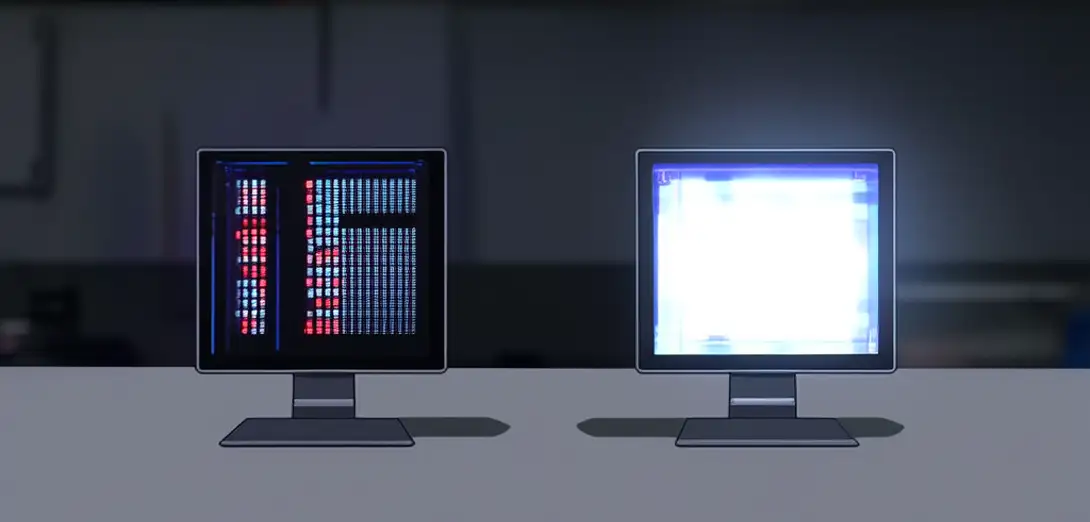
Pixel Shifting: How OLED Screens Avoid Burn-In
像素位移:OLED屏幕如何避免烧屏
-
OLED displays create light directly in each red, green, or blue sub-pixel, unlike LCDs.OLED屏幕的每个红、绿、蓝子像素可直接发光,而LCD则不能。
-
But static images—like navigation bars or logos—cause some pixels to age faster than others.但静态图像(如导航栏或标志)会导致部分像素老化更快。
-
This uneven wear leads to permanent ghost images known as burn-in.这种不均匀老化会形成永久性残影,即‘烧屏’。
-
To prevent it, modern OLED TVs and phones subtly shift the entire screen image by one or two pixels every few minutes.为防止烧屏,现代OLED电视和手机每隔几分钟就将整屏图像微移一至两个像素。
-
The movement is too small for users to notice, yet it spreads wear across neighboring pixels.位移幅度极小,用户几乎无法察觉,却能将损耗分散到邻近像素。
-
Advanced algorithms track which areas stay fixed longest and prioritize shifting those zones.先进算法会追踪停留时间最长的区域,并优先移动这些区域。
-
Some devices combine pixel shifting with automatic brightness reduction for static content.部分设备还将像素位移与静态内容自动降亮相结合。
-
Together, these strategies extend display lifespan by up to 40% under heavy use.这些策略协同作用,可在高强度使用下延长屏幕寿命达40%。
-
Manufacturers now guarantee zero visible burn-in for at least three years of normal viewing.厂商如今承诺:正常观看三年内屏幕无可见烧屏。
-
It’s a clever software-hardware dance that protects your screen invisibly.这是一场软硬件默契配合的隐形护屏之舞。