正在确认阅读权限…
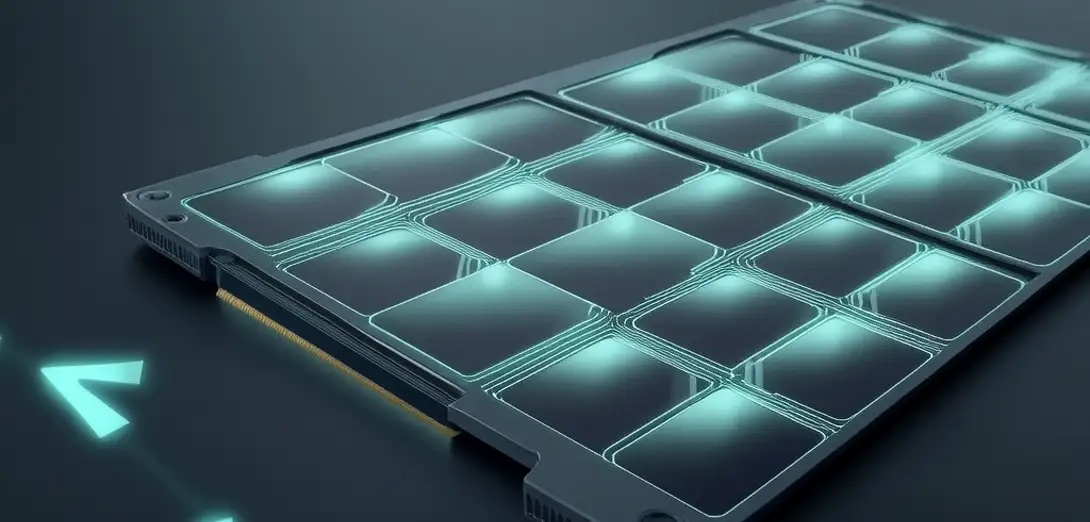
Wear Leveling in Solid-State Drives: Managing NAND Flash Endurance Through Intelligent Block Allocation
固态硬盘中的磨损均衡:通过智能块分配管理NAND闪存寿命
-
NAND flash memory cells degrade with each program/erase cycle—not write operation—so SSD controllers implement wear leveling to distribute erasures evenly across physical blocks, extending usable life by up to 8×.NAND闪存单元在每次编程/擦除周期(而非写入操作)中都会退化,因此SSD控制器采用磨损均衡技术,将擦除操作均匀分布到物理块上,从而将可用寿命延长至最高8倍。
-
Dynamic wear leveling remaps logical addresses to fresh physical blocks during writes, while static wear leveling periodically migrates infrequently changed data—like firmware partitions—to prevent ‘cold blocks’ from retaining excessive wear.动态磨损均衡在写入时将逻辑地址映射到新的物理块,而静态磨损均衡则定期迁移更新频率低的数据(如固件分区),防止‘冷块’因长期闲置而累积过多磨损。
-
Enterprise SSDs track block erase counts in dedicated metadata areas, but consumer drives often omit this logging, making empirical lifetime estimation impossible without vendor-specific diagnostic tools.企业级SSD在专用元数据区域中跟踪各块的擦除次数,但消费级SSD通常省略此类记录,若无厂商专用诊断工具,便无法实测估算寿命。
-
Write amplification—the ratio of physical to logical data written—directly impacts endurance: a RAID 5 array with small random writes may amplify writes by 3.2×, accelerating wear despite over-provisioning.写入放大率(物理写入量与逻辑写入量之比)直接影响耐久性:采用小随机写入的RAID 5阵列写入放大率可达3.2倍,即使预留空间充足,也会加速磨损。
-
Temperature modulates degradation kinetics: NAND cells at 70°C endure 40% fewer P/E cycles than at 30°C, prompting thermal-aware controllers to throttle write speeds during sustained workloads.温度影响退化动力学:70°C下的NAND单元可承受P/E循环次数比30°C下减少40%,因此具备温控感知能力的控制器会在持续负载期间主动降低写入速度。
-
TRIM command support is essential: without OS-level notification of deleted files, SSDs cannot reclaim stale pages, causing garbage collection overhead to rise exponentially as free space shrinks.TRIM命令支持至关重要:若操作系统未通知SSD已删除文件,SSD便无法回收无效页,导致空闲空间减少时垃圾回收开销呈指数级上升。
-
Endurance ratings (e.g., 300 TBW) assume specific workloads—sequential writes at 50% queue depth—yet real-world usage with database journaling or virtual machine snapshots deviates significantly.耐久性指标(如300 TBW)基于特定工况——50%队列深度下的顺序写入,而数据库日志或虚拟机快照等真实场景与之差异显著。
-
MLC (multi-level cell) NAND stores 2 bits per cell with ~3,000 P/E cycles, while newer QLC (quad-level cell) achieves density gains at ~1,000 cycles—necessitating aggressive caching and host-managed shingled writes.MLC(多层单元)NAND每单元存储2比特,约支持3000次P/E循环;而新型QLC(四层单元)虽密度提升,但仅约1000次循环,需依赖激进缓存及主机管理叠瓦式写入。
-
Power-loss protection circuits add capacitors to flush pending writes during outages, but capacitor aging reduces retention time by 0.7% per month—creating silent failure modes after 36 months.断电保护电路通过电容在断电时完成待写数据刷盘,但电容老化使保电时间每月衰减0.7%,36个月后可能引发隐性故障。
-
Ultimately, SSD longevity isn’t about raw NAND quality—it’s the sophistication of the controller’s predictive wear modeling, real-time thermal adaptation, and transparent reporting of actual wear distribution.归根结底,SSD寿命不取决于NAND芯片本身质量,而在于控制器预测性磨损建模、实时热适应能力及对实际磨损分布的透明报告水平。