正在确认阅读权限…
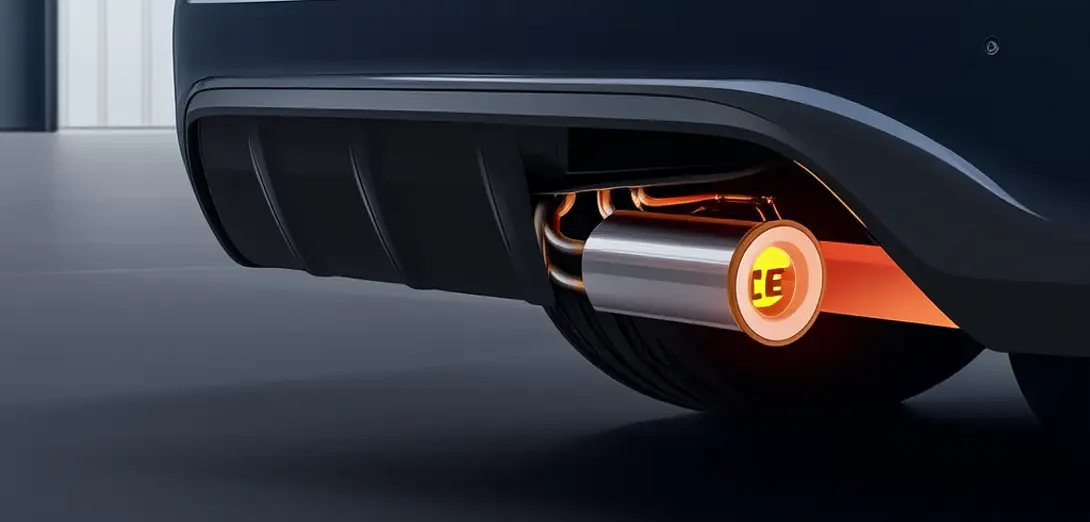
Thermoelectric Generators in Waste Heat Recovery: Converting Exhaust Energy into Usable Electricity
热电发电机在废热回收中的应用:将排气能量转化为可用电力
-
Automotive thermoelectric generators (TEGs) convert exhaust heat—typically 400–700°C—into electricity via the Seebeck effect, adding 2–3% fuel efficiency without mechanical modifications to existing powertrains.汽车热电发电机(TEG)利用塞贝克效应,将400–700°C的尾气余热转化为电能,无需改动现有动力系统即可提升2–3%燃油效率。
-
Material selection balances ZT values (figure of merit) against thermal expansion mismatch: bismuth telluride alloys excel below 250°C, but automotive exhaust requires segmented modules combining skutterudites and half-Heuslers.材料选择需权衡热电优值(ZT)与热膨胀失配:铋碲合金在250°C以下性能优异,但汽车尾气应用需采用分段式模块,组合方钴矿与半赫斯勒合金。
-
System integration demands extreme thermal management: hot-side interfaces must sustain thermal cycling over 100,000 cycles while maintaining contact resistance below 10⁻⁶ Ω·m² to prevent hot-spot formation.系统集成要求极致热管理:热端界面须承受超10万次热循环,同时保持接触电阻低于10⁻⁶ Ω·m²,以防热点形成。
-
Electrical output fluctuates with transient driving cycles—rapid acceleration spikes exhaust temperature but reduces residence time, creating non-linear voltage profiles that challenge DC-DC converter design.电输出随瞬态驾驶工况波动——急加速使排气温度骤升但驻留时间缩短,导致电压呈非线性变化,给DC-DC转换器设计带来挑战。
-
Commercial viability hinges on cost-per-watt: current TEG systems cost $280/kW versus $45/kW for turbochargers, though lifetime fuel savings offset this over 150,000 km for heavy-duty fleets.商业化关键在于单位功率成本:当前TEG系统为280美元/千瓦,远高于涡轮增压器的45美元/千瓦;但重载车队行驶15万公里后,节油收益可抵消成本差。
-
Marine applications show greater ROI: container ship exhaust at 300°C continuously for weeks enables TEG arrays recovering 1.2 MW—powering onboard hotel loads and reducing auxiliary engine runtime.船舶应用回报更高:集装箱船300°C尾气持续数周,TEG阵列可回收1.2兆瓦电力,供船上生活负载使用,并减少辅机运行时间。
-
Reliability concerns persist: interconnect fatigue at copper-bismuth telluride joints causes 42% of field failures, prompting research into nanostructured diffusion barriers grown via pulsed laser deposition.可靠性问题仍存:铜与铋碲化合物接合处的互连疲劳占现场失效的42%,推动研究采用脉冲激光沉积技术生长纳米结构扩散阻挡层。
-
Standards like ISO 14956 now define test protocols for transient thermal cycling validation—replacing outdated steady-state benchmarks that masked real-world degradation modes.ISO 14956等标准已规定瞬态热循环验证测试规程,取代掩盖真实退化模式的过时稳态基准。
-
Grid-scale waste heat recovery remains limited by Carnot efficiency ceilings, but distributed TEGs on industrial flues provide localized power for IoT sensors—eliminating battery replacements in hazardous locations.电网级余热回收受限于卡诺效率上限,但工业烟道分布式TEG可为物联网传感器提供就地供电,消除危险场所电池更换需求。
-
What appears as simple heat-to-electricity conversion actually integrates solid-state physics, metallurgical interfacial engineering, and dynamic power electronics in compact, vibration-resistant packages.看似简单的热转电过程,实则融合了固态物理、冶金界面工程与动态电力电子技术,集成于紧凑、抗振封装之中。