正在确认阅读权限…
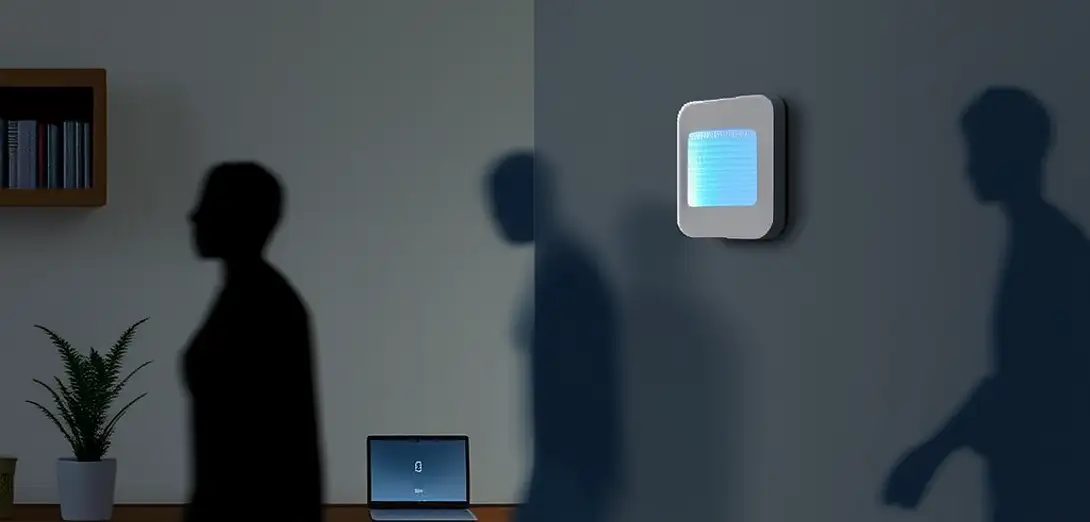
Smart Home Sensors and Privacy Thresholds: When Environmental Data Crosses into Behavioral Inference
智能家居传感器与隐私阈值:当环境数据悄然演变为行为推断
-
Modern smart thermostats log occupancy patterns not just for efficiency but to infer household routines across weeks.现代智能温控器不仅为提升能效,更会记录人员活动规律,以推断数周内的家庭日常作息。
-
A single door sensor, combined with lighting and audio metadata, can reliably distinguish between working-from-home days and travel periods.单个门磁传感器结合照明与音频元数据,即可可靠区分居家办公日与外出旅行期。
-
Manufacturers claim anonymization, yet aggregated temporal footprints often re-identify users without explicit consent or transparency.厂商声称已做匿名化处理,但聚合的时间足迹往往无需明确授权或透明告知,即可重新识别用户。
-
Regulatory frameworks like GDPR treat inferred behavioral profiles as personal data—but enforcement lags behind deployment velocity.GDPR等监管框架将推断的行为画像视为个人数据,但执法进度远落后于技术部署速度。
-
Consumers rarely adjust default settings, unknowingly permitting long-term modeling of sleep cycles, meal timing, and social visit frequency.消费者极少调整默认设置,无意中允许长期建模睡眠周期、进餐时间和访客频次。
-
Third-party analytics firms purchase de-identified sensor streams, then cross-reference them with utility billing or delivery app logs.第三方分析公司购买脱敏的传感器数据流,再与水电账单或配送App日志交叉比对。
-
Unlike camera footage, environmental time-series data feels less intrusive—yet reveals more consistent, longitudinal behavioral signals.相比摄像头画面,环境时序数据看似侵扰性更低,却能持续、长期地揭示行为信号。
-
Designing ethical IoT interfaces requires explicit opt-in tiers, not buried clauses in 47-page terms of service documents.设计合乎伦理的物联网界面需提供明确的分层选择机制,而非藏在47页服务条款中的模糊条款。
-
Privacy-preserving edge processing is now feasible, yet most devices still transmit raw timestamps to centralized cloud platforms.隐私保护型边缘处理现已可行,但多数设备仍向中心化云平台传输原始时间戳。
-
Critical STEM literacy here means recognizing when convenience trades away predictive autonomy—not just data ownership.此处关键的STEM素养在于:意识到便利性正以预测自主权为代价,而不仅是数据所有权。
-
Users must ask not only 'What data is collected?' but 'What models could this train—and who controls those outputs?'用户不仅要问‘收集了哪些数据?’,更要问‘这些数据可能训练哪些模型?谁掌控这些模型的输出?’
-
This isn’t theoretical: insurers already pilot usage-based home risk scoring using HVAC and motion sensor histories.这并非假设:保险公司已利用暖通空调与运动传感器历史数据,试点基于使用行为的家庭风险评分。