正在确认阅读权限…
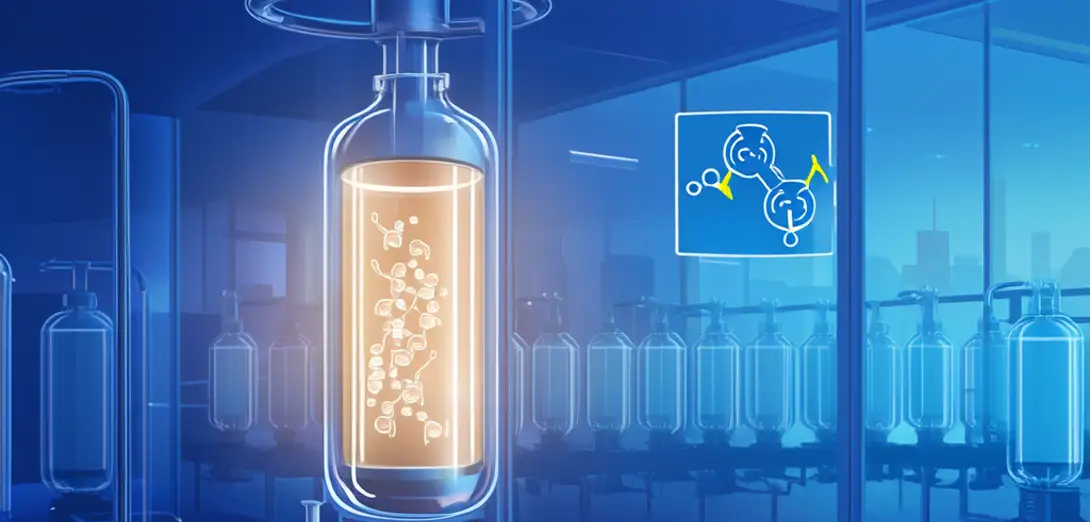
Synthetic Biology and Biomanufacturing: Engineering Microbes to Produce Industrial Chemicals
合成生物学与生物制造:改造微生物生产工业化学品
-
Modern biomanufacturing moves beyond fermentation: CRISPR-edited *E. coli* strains now synthesize nylon precursors like adipic acid directly from glucose—bypassing petrochemical routes that emit nitrous oxide, a greenhouse gas 265× more potent than CO₂.现代生物制造已超越传统发酵:经CRISPR编辑的大肠杆菌菌株可直接利用葡萄糖合成尼龙前体(如己二酸),绕过排放一氧化二氮(温室效应为CO₂的265倍)的石化路线。
-
Metabolic pathway optimization requires balancing enzyme expression levels; overexpression of one gene can starve adjacent reactions of ATP or cofactors, collapsing the entire biosynthetic cascade.代谢通路优化需平衡酶表达水平;某基因过度表达可能耗尽邻近反应所需的ATP或辅因子,导致整个生物合成级联崩溃。
-
Industrial scale-up introduces new constraints: oxygen transfer limitations in 100,000-liter bioreactors alter redox states, forcing redesign of electron carrier systems originally optimized in flask cultures.工业化放大带来新约束:10万升生物反应器中的溶氧传递限制会改变氧化还原状态,迫使重新设计原本在摇瓶培养中优化的电子载体系统。
-
Regulatory approval hinges on containment assurance—engineered microbes must carry multiple genetic 'kill switches' activated by absence of synthetic amino acids, preventing environmental persistence.监管审批取决于生物 containment 保障——工程微生物须携带多重遗传‘自杀开关’,在缺乏人工合成氨基酸时被激活,防止其在环境中长期存留。
-
Feedstock competition remains contentious: using food-grade sugars risks price volatility, while lignocellulosic hydrolysates introduce inhibitory compounds requiring additional detoxification steps.原料竞争仍存争议:使用食品级糖易受价格波动影响,而木质纤维素水解液则含抑制性化合物,需额外脱毒步骤。
-
Life-cycle assessments show net carbon reduction only when accounting for upstream agricultural emissions and downstream purification energy—often overlooked in early-stage venture pitches.生命周期评估显示,仅当计入上游农业排放与下游纯化能耗时,才呈现净碳减排——而这常被早期创业路演所忽视。
-
Patent landscapes are dense: a single production strain may infringe dozens of patents covering promoter sequences, codon-optimized genes, and fermentation control algorithms.专利布局密集:单一生产品系可能侵犯数十项专利,涵盖启动子序列、密码子优化基因及发酵控制算法。
-
Supply chain resilience improves—bio-based 1,3-propanediol for carpets is now produced in three continents—but regulatory harmonization lags, delaying market access in regions with divergent GMO definitions.供应链韧性提升——地毯用生物基1,3-丙二醇已在三大洲生产——但监管协调滞后,不同地区对转基因生物定义不一,延缓市场准入。
-
End-product purity standards exceed pharmaceutical requirements: semiconductor-grade isoprene for synthetic rubber must contain <1 ppb metal contaminants, demanding ultrafiltration beyond conventional bioprocessing.终端产品纯度标准高于制药要求:用于合成橡胶的半导体级异戊二烯,金属杂质须低于1 ppb,需超滤等远超常规生物工艺的纯化手段。
-
This field redefines ‘manufacturing’: facilities resemble data centers more than refineries, with real-time genomic monitoring and AI-driven media optimization replacing manual batch adjustments.该领域正重新定义‘制造’:工厂更像数据中心而非炼油厂,实时基因组监测与AI驱动的培养基优化,取代了人工批次调控。