正在确认阅读权限…
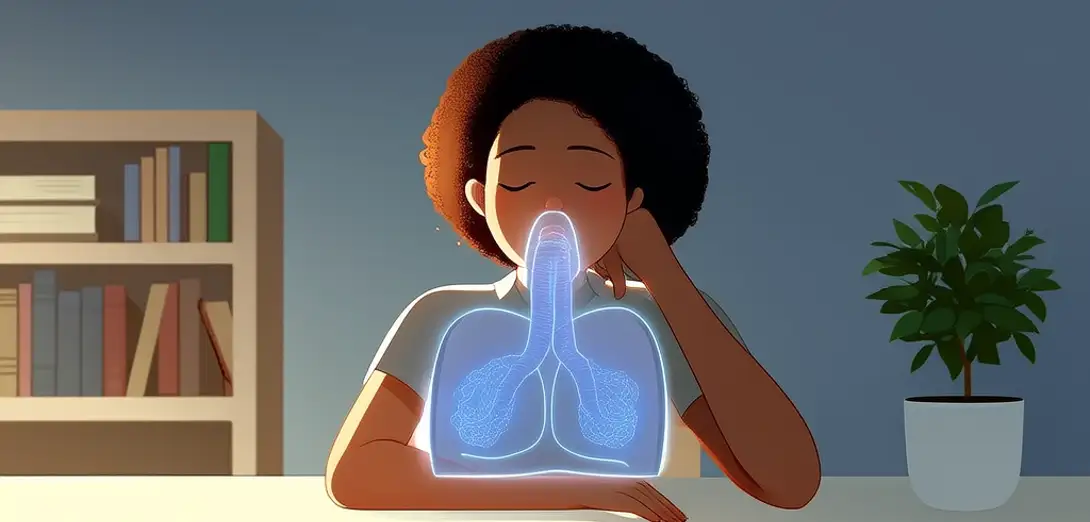
Why Do We Yawn When We’re Tired—or Even When Others Do?
为什么我们疲倦时打哈欠,甚至看到别人打也跟着打?
-
Yawning cools the brain by drawing cool air deep into the sinus cavities, which then chill nearby blood vessels.打哈欠通过将冷空气吸入鼻窦腔,进而冷却附近的血管,从而为大脑降温。
-
Brain temperature rises slightly before sleep and during mental fatigue, triggering yawns to restore optimal function.入睡之前或精神疲劳时,大脑温度会轻微升高,从而触发打哈欠以恢复最佳功能。
-
Contagious yawning—copying others—is linked to empathy and social bonding, appearing reliably after age four.传染性打哈欠(模仿他人)与共情能力和社会联结相关,通常在四岁后稳定出现。
-
People with autism spectrum traits or high psychopathy scores yawn less frequently in response to others’ yawns.自闭症谱系特质较明显或心理病态评分较高的人,对他人的哈欠反应更少。
-
MRI scans show mirror neuron networks activate both when we yawn and when we watch someone else yawn.核磁共振成像显示,我们自己打哈欠或观看他人打哈欠时,镜像神经元网络均会被激活。
-
Even dogs yawn contagiously after seeing their owners yawn, suggesting deep evolutionary roots in social species.就连狗在看到主人打哈欠后也会出现传染性哈欠,表明这一现象在社会性物种中具有深远的进化根源。
-
Athletes sometimes yawn before competition to increase alertness and oxygenate key brain regions.运动员有时在比赛前打哈欠,以提升警觉性并增加关键脑区的供氧。
-
While often tied to boredom, yawning itself reflects a healthy, responsive nervous system—not laziness or lack of oxygen.尽管常与无聊相关,打哈欠本身反映的是健康、灵敏的神经系统,而非懒惰或缺氧。