正在确认阅读权限…
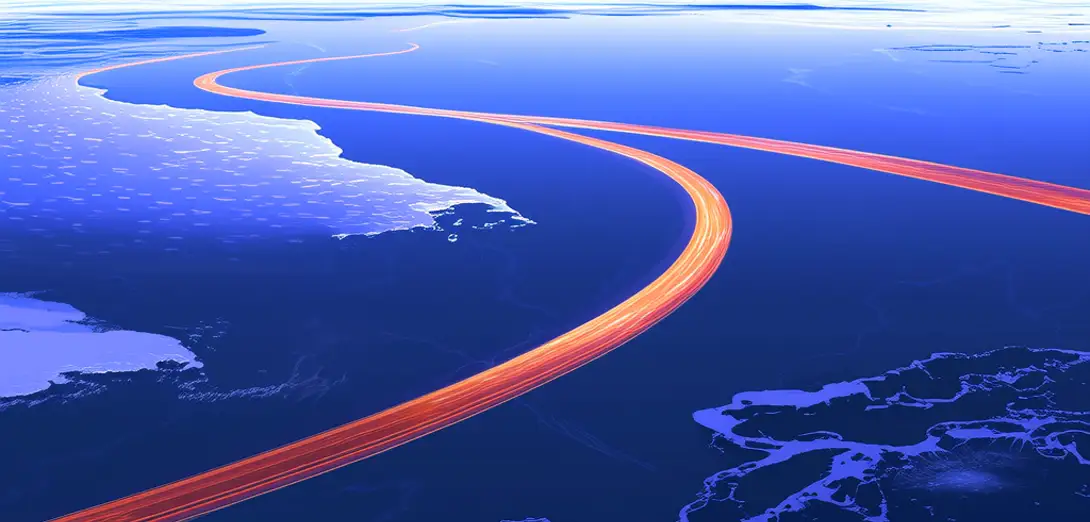
How Do Ocean Currents Regulate Global Climate Patterns?
科学常识延展阅读·自动延展(批次0001-010)
-
Ocean currents act like a giant conveyor belt, moving warm water from the equator toward the poles.洋流如同一条巨大的传送带,将温暖的海水从赤道输送到两极。
-
Cold, dense water sinks near the poles and flows back toward the equator deep underwater.寒冷、高密度的海水在两极附近下沉,并在深海中回流至赤道。
-
This thermohaline circulation redistributes heat and affects weather systems worldwide.这种温盐环流重新分配热量,影响全球天气系统。
-
The Gulf Stream, for example, keeps Western Europe much warmer than other regions at the same latitude.例如,墨西哥湾暖流使西欧比同纬度其他地区温暖得多。
-
Melting polar ice adds freshwater, which may slow down sinking and weaken the current over time.极地冰盖融化注入淡水,可能减缓海水下沉,长期削弱洋流。
-
Satellites and drifting buoys collect real-time data on sea temperature and salinity changes.卫星和漂流浮标实时收集海水温度与盐度变化数据。
-
Changes in current strength correlate with droughts, floods, and stronger hurricane seasons.洋流强度变化与干旱、洪涝及更强飓风季密切相关。
-
Marine life also follows these currents, influencing fish migration and plankton blooms.海洋生物也随洋流迁徙,影响鱼类洄游和浮游植物暴发。
-
Historical records from ship logs and coral skeletons help reconstruct centuries of current behavior.船舶日志和珊瑚骨骼等历史记录有助于重建数百年来的洋流变化。
-
Climate models now include ocean dynamics to improve long-term forecasts of regional warming.当前气候模型已纳入海洋动力过程,以提升区域变暖的长期预测精度。