正在确认阅读权限…
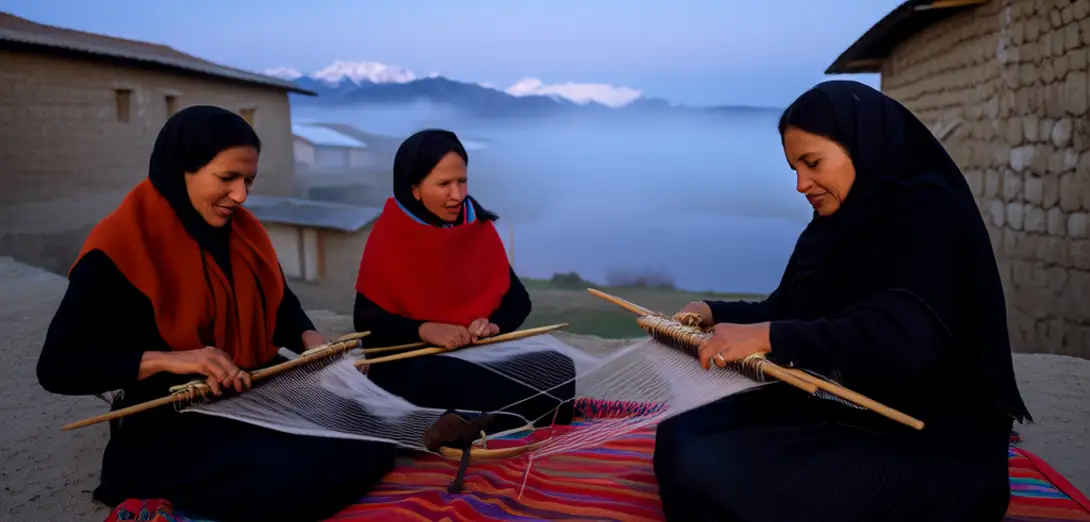
Batch 0001-047: Weaving Silence in Bolivia’s Q’ara Textile Rites
批次0001-047:玻利维亚卡腊织布仪典中的静默编织
-
In the highland villages near Lake Titicaca, Aymara women begin weaving before sunrise without speaking a word.在的喀喀湖附近的高原村落里,艾马拉妇女天未亮便开始织布,全程一言不发。
-
They use natural dyes from cochineal insects and q’illu flowers, each hue tied to a mountain spirit’s name.她们用胭脂虫和奇卢花提取天然染料,每种颜色都对应一位山神的名字。
-
A girl’s first shawl must be completed during one lunar cycle, and she must chew coca leaves to steady her hands.女孩的第一条披肩必须在一个朔望月内完成,且需咀嚼古柯叶以稳住双手。
-
Elders watch closely—not for mistakes, but for whether her fingers remember patterns taught by her great-grandmother.长辈们仔细观察——不是看错误,而是看她的手指是否还记得曾祖母教过的纹样。
-
When the loom clicks rhythmically, it echoes the heartbeat of Pachamama, the earth mother revered in daily prayer.织机有节奏的咔嗒声,回响着大地母亲帕查玛玛的心跳,她每日受人虔诚祈祷。
-
No thread may be cut with scissors; instead, it is bitten or broken by hand to honor continuity over convenience.线不可用剪刀剪断,而须用牙咬断或徒手扯断,以此敬重延续,而非图一时便利。
-
Men prepare chicha beer quietly nearby, knowing their role is support—not instruction—in this sacred craft.男子在一旁安静地酿制奇恰啤酒,深知自己在此神圣技艺中的角色是支持,而非指导。
-
The finished textile is not worn immediately but laid on sacred stones overnight under starlight.织成的织物不会立即穿戴,而是置于圣石之上,在星光下过夜。
-
Tourists may purchase similar shawls in La Paz markets, but those lack the silence, the saliva, and the vow.游客可在拉巴斯市场买到相似披肩,但那些缺少了沉默、唾液与誓言。
-
Weaving here is less about cloth and more about threading time across generations without knots.这里的编织,目的不在布料,而在将时光无结无碍地穿引于世代之间。