正在确认阅读权限…
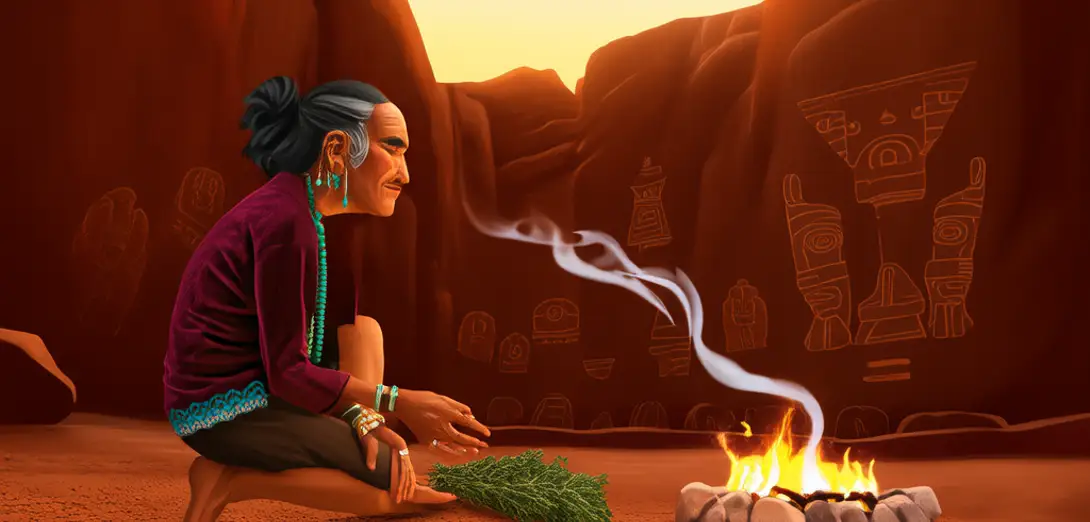
Batch 0001-049: Tracing Smoke in Navajo Fire-Spoken Blessings
批次0001-049:纳瓦霍火语祝福中的烟迹追寻
-
In Canyon de Chelly, a Navajo hataałii lights cedar and sage at dawn, watching smoke curl toward specific canyon walls.在峡谷德切利,一位纳瓦霍族祭司黎明时点燃雪松与鼠尾草,凝视青烟袅袅升向特定的峡谷岩壁。
-
Each swirl tells him whether the blessing will settle well—or if he must pause, re-speak, and wait for new wind.每一缕盘旋的烟雾都在告诉他:祝福能否顺利降临,抑或他需暂停、重诵,并静候新风。
-
Family members sit cross-legged on sheepskins, eyes closed, letting smoke wash over shoulders and hair without fanning it away.家人盘腿坐在羊皮上,闭目静坐,任青烟拂过肩头与发丝,不加驱散。
-
The spoken words aren’t prayers to gods but reminders to harmony: ‘May your footsteps match the earth’s rhythm.’口中所诵并非向神明祈祷,而是对和谐的提醒:‘愿你的脚步契合大地的节律。’
-
If smoke splits or sinks, the hataałii stops speaking and offers corn pollen instead—silence becomes part of the ritual.若青烟分岔或下沉,祭司便停诵,改撒玉米花粉——沉默亦成仪式一部分。
-
Children learn smoke-reading before vocabulary, noticing how morning mist changes the path of rising ash.孩童先学辨烟,后识字,早早留意晨雾如何改变上升灰烬的轨迹。
-
No incense is bought; all plants are gathered by hand during certain moon phases and dried in shaded corners of hogans.不用购买熏香;所有植物皆于特定月相亲手采集,并晾干于圆顶土屋的阴凉角落。
-
Visitors may observe, but never photograph the smoke patterns—they belong only to those present and the canyon itself.访客可观礼,但绝不可拍摄烟形——它们只属于在场者与峡谷本身。
-
After the ceremony, leftover ash is buried near doorways to guard thresholds between inner and outer life.仪式结束后,余烬埋于门畔,守护内在生活与外部世界之间的门槛。
-
This isn’t magic—it’s listening, deeply, to what fire and air say when humans finally stop talking.这并非魔法——而是人类终于止语后,对火焰与空气之声的深切聆听。