正在确认阅读权限…
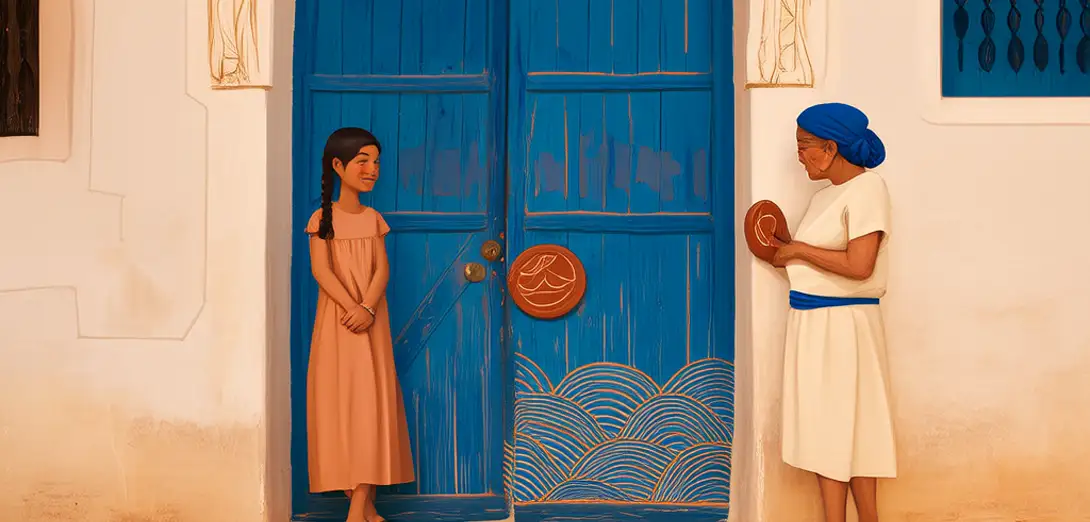
Batch 0001-004: Clay Stamp Memory in Tunisia’s Djerba Blue Door Ceremonies
批次0001-004:突尼斯杰尔巴岛蓝门仪式中的陶印记忆
-
Before weddings in Djerba, families press handmade clay stamps onto blue-painted doors to mark years of marriage, grief, or return from exile.杰尔巴岛婚礼前,家人会将手工制作的黏土印章盖在涂成蓝色的门上,以标记结婚年数、哀悼或流亡归来。
-
Each stamp bears symbols carved by grandmothers: a fish for safe travel, a date palm for endurance, or interlocking rings for vows renewed.每枚印章都刻有祖母们雕琢的符号:鱼象征平安远行,椰枣树代表坚韧,交织的圆环寓意誓言重申。
-
The clay is mixed with seawater and crushed coral, then sun-dried for exactly forty-eight hours under specific wind conditions.黏土混入海水与碾碎的珊瑚,再在特定风况下晒干整整四十八小时。
-
No two stamps look identical—even when carved from the same mold—because humidity, heat, and hand pressure alter every impression.没有两枚印章完全相同——即便出自同一模具,湿度、温度与按压力度都会让每次压印产生差异。
-
When a home changes hands, new owners never remove old stamps; instead, they add their own beside them, creating layered chronicles on wood.房屋易主时,新主人从不铲除旧印章,而是将其并排加盖自己的印章,在木门上叠出层层叠叠的时间印记。
-
Teenagers learn stamp-making not in schools, but during late-night gatherings where elders trace designs onto damp clay with olive twigs.青少年并非在校学习制章技艺,而是在深夜聚会中,由长辈用橄榄枝在湿润黏土上勾勒图案。
-
Blue paint is reapplied every spring, but the stamps remain visible beneath fresh layers, like memories under skin.蓝色油漆每年春天重刷,但印章始终清晰可见于新漆之下,宛如皮肤下的记忆。
-
A stamp made during drought carries deeper grooves than one pressed in rainy season—a subtle archive of climate and emotion.旱季制作的印章凹痕更深,雨季所制则较浅——这是气候与情绪的无声档案。
-
This practice began not as art, but as legal testimony: stamped doors once served as binding contracts in oral justice systems.这一习俗起初并非艺术行为,而是法律凭证:盖印的门曾作为口头司法体系中具有约束力的契约。
-
In Djerba, color fades, wood warps, but clay remembers—quietly, permanently, in indigo shadow.在杰尔巴岛,色彩会褪,木料会变形,唯有黏土静静铭记——沉静、永恒,藏于靛青阴影之中。