正在确认阅读权限…
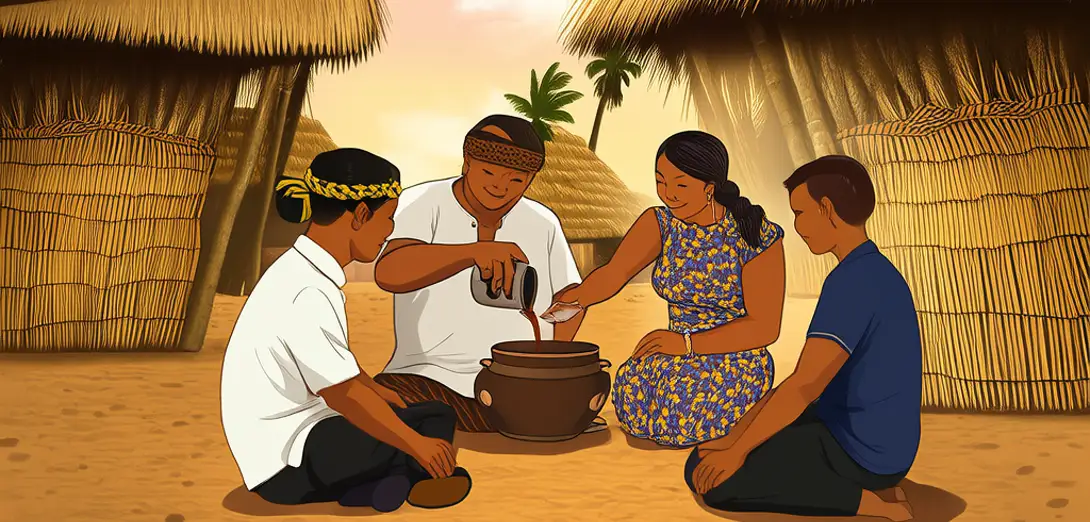
Batch 0001-010: Kava Circle Timing in Fiji’s Village Nakamal
批次0001-010:斐济村社纳卡马尔中的卡瓦圆圈节律
-
In Fiji’s nakamal, the kava bowl is passed only after the chief’s youngest son taps the ground three times with a polished shell.在斐济的纳卡玛尔(nakamal)里,只有酋长最小的儿子用磨光的贝壳敲击地面三次后,卡瓦碗才会传递。
-
Each drinker sits cross-legged in strict order—not by age or rank, but by how recently they’ve returned from sea or forest.每位饮者盘腿而坐,顺序严格——不按年龄或地位,而按他们最近从海上或森林归来的先后。
-
The cup is always filled to the brim, and no one lifts it until the previous person has swallowed and placed the empty vessel face-down.杯子永远斟满,前一人咽下并把空杯倒扣之前,无人端起。
-
Time here is measured not by clocks, but by the number of shells tapped, the depth of shared breath, and the warmth returning to cold hands.此处的时间不用钟表计量,而以敲击贝壳的次数、共呼吸的深度、以及冰冷双手回暖的程度来衡量。
-
Strangers may join the circle only after being given a name from local lore—and using it when receiving their cup.陌生人须先获赠一个源自本地传说的名字,并在接过杯子时使用它,方能加入圆圈。
-
If someone coughs mid-sip, others pause silently until the sound fades, treating it as part of the ritual’s natural music.若有人啜饮中途咳嗽,他人便静默暂停,直至余音消散——视其为仪式天然乐章的一部分。
-
The kava root is ground fresh each evening by women who sing low chants matching the mortar’s rhythm.卡瓦根每日傍晚由女性现磨,她们吟唱低沉歌谣,节奏与研钵捶打声严丝合缝。
-
No one speaks of tomorrow’s tasks while seated; future talk begins only after the last cup is rinsed in river water.就座期间无人谈论明日之事;关于未来的交谈,须待最后一杯在河水里洗净后才开始。
-
Foreign visitors learn quickly that rushing breaks the circle—not because rules forbid it, but because rhythm collapses without consensus.外国访客很快明白:仓促会打破圆圈——并非因规则禁止,而是共识缺失时节奏自然瓦解。
-
In the nakamal, timing isn’t controlled—it’s co-created, moment by shared moment, sip by grounded sip.在纳卡玛尔里,时机并非被掌控,而是共同创造:一刻一刻,一口一口,稳稳相承。