正在确认阅读权限…
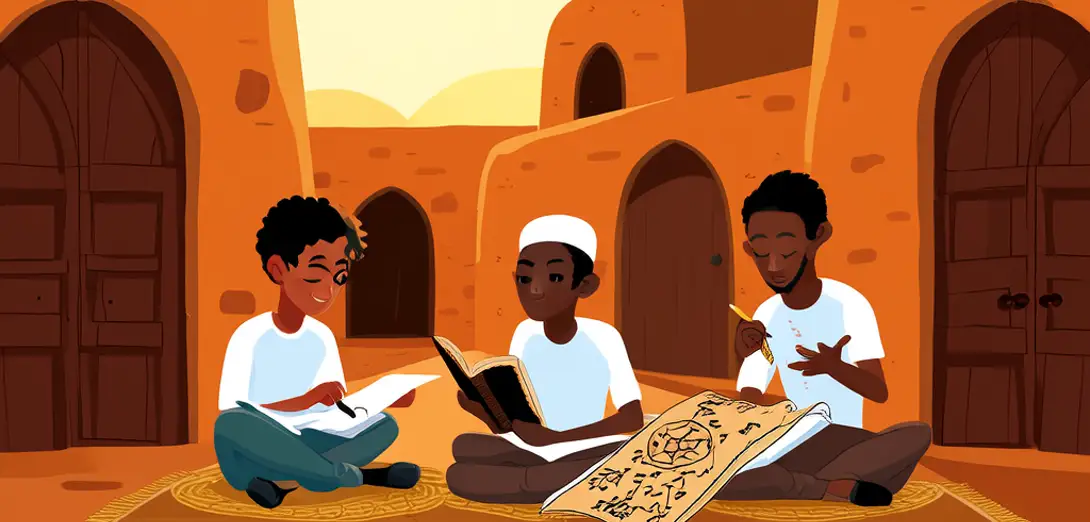
Echoes from Timbuktu: Manuscripts in the Sahara Sand
廷巴克图的回响:撒哈拉沙海中的手稿
-
For centuries, scholars in Timbuktu copied and debated texts on astronomy, law, and medicine.数百年来,廷巴克图的学者们抄写并研讨天文学、法学和医学典籍。
-
Over 400,000 fragile manuscripts survived desert heat, colonial raids, and political unrest.逾40万份脆弱手稿历经沙漠酷热、殖民劫掠与政局动荡而幸存。
-
Families hid leather-bound books beneath floorboards or inside mosque walls during conflict.战乱期间,当地家庭将皮面书籍藏于地板下或清真寺墙内。
-
Today, young Malians digitize pages while elders recite poetry once taught in courtyard schools.如今,马里青年数字化手稿页面,长者则吟诵昔日庭院学堂传授的诗歌。
-
These writings reveal West Africa’s deep intellectual networks long before European universities expanded.这些文献揭示西非早于欧洲大学扩张前就已存在的深厚知识网络。
-
A single manuscript might contain Arabic script, Songhai glosses, and diagrams of lunar cycles.一份手稿可能同时包含阿拉伯文字、桑海语注释及月相周期图示。
-
Restorers use camel-hair brushes and natural adhesives—techniques passed down through generations.修复师使用骆驼毛刷与天然黏合剂——这些技艺代代相传。
-
The Ahmed Baba Institute trains teens not just to scan documents but to ask why certain ideas traveled so far.艾哈迈德·巴巴研究所不仅培训青少年扫描文献,更引导他们思考特定思想何以远播。
-
Visitors hear griots chant verses about Mansa Musa’s pilgrimage—not as legend, but as civic memory.游客聆听格里奥吟唱关于曼萨·穆萨朝圣的诗篇——并非传说,而是集体记忆。
-
Timbuktu teaches us that history isn’t only kept in stone monuments but in folded parchment and spoken breath.廷巴克图昭示我们:历史不仅存于石砌纪念碑,亦藏于折叠的羊皮纸与口传的气息中。