正在确认阅读权限…
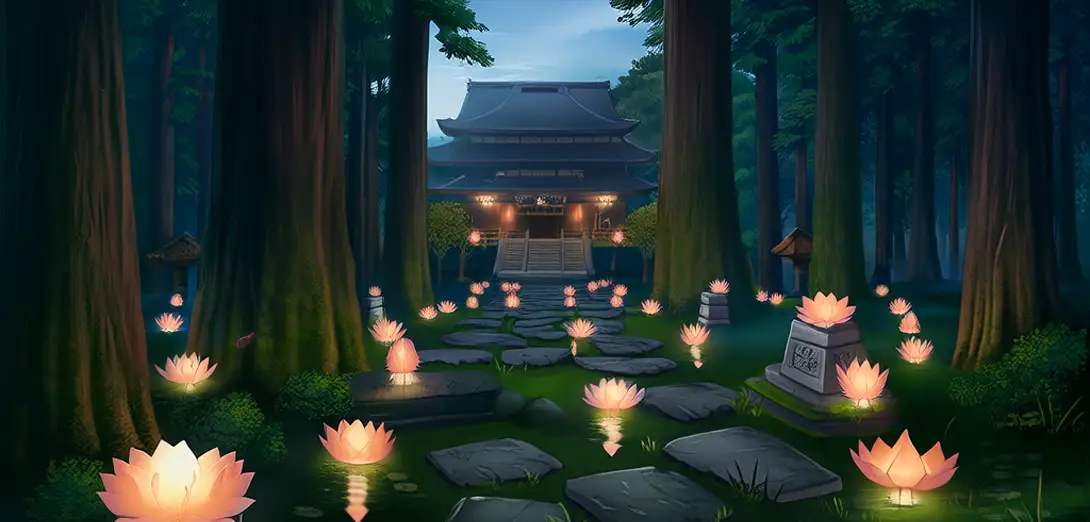
Kōryū-ji’s Lotus Lanterns: Kyoto’s Quiet Remembrance
广隆寺的莲花灯:京都的静默追思
-
Each August, Kyoto’s Kōryū-ji temple places over a thousand paper lotus lanterns along its mossy paths.每年八月,京都高龙寺都会在长满青苔的小径上放置一千多盏纸制莲花灯笼。
-
Locals write names of lost loved ones on petals before floating them down the Kamo River at dusk.当地人会在花瓣上写下逝去亲人的名字,黄昏时将其放入鸭川漂流。
-
The ritual blends Buddhist compassion with Shinto reverence for transient beauty and ancestral presence.这一仪式融合了佛教的慈悲与神道对短暂之美及祖先存在的敬意。
-
Children learn to fold lanterns using traditional origami methods taught by temple nuns for over 300 years.孩子们向寺院尼姑学习传统折纸技法制作灯笼,此法已传承三百余年。
-
No loud chants or formal speeches occur—only soft bells, water sounds, and shared silence.现场没有高声诵经或正式演讲,只有轻柔的钟声、流水声与共同的静默。
-
Visitors bow not to statues but to reflections shimmering in still river bends.游客并非向佛像鞠躬,而是向静静河湾中摇曳的倒影致意。
-
Some lanterns carry haiku about cherry blossoms falling like tears or cranes flying south alone.有些灯笼上写着俳句,描写樱花如泪飘落,或孤鹤南飞。
-
The practice reminds people that grief need not be private—it can bloom gently in public space.这一习俗提醒人们:悲伤不必私密,亦可在公共空间温柔绽放。
-
Tourists are invited to light one lantern but asked first to sit quietly for five minutes beside a stone garden.游客可点燃一盏灯笼,但须先在石庭旁静坐五分钟。
-
This is history not as conquest or date, but as rhythm: light, water, memory, release.这并非以征服或日期书写的历史,而是光、水、记忆与释然的韵律。