正在确认阅读权限…
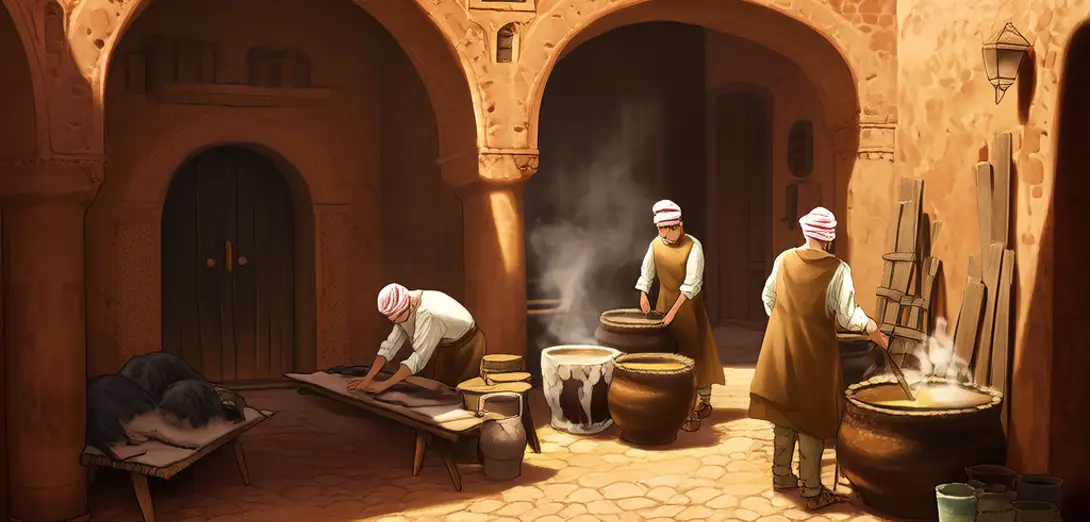
Fes’s Chouara Tannery: Vats Where History Smells Like Saffron and Lime
非斯的乔阿拉制革厂:历史在藏红花与石灰的气味中沉淀
-
In Fes’s medieval medina, tanners still dip goat hides into stone vats filled with pigeon droppings, saffron water, and quicklime—a formula unchanged since the 11th century.在非斯古城的中世纪老城,鞣匠仍把山羊皮浸入石槽,槽中盛满鸽粪、藏红花水和生石灰——这一配方自11世纪沿用至今。
-
Apprentices learn color theory not from Pantone charts, but from watching how sunset light shifts the hue of drying leather on rooftop racks.学徒不靠潘通色卡学习色彩理论,而是观察夕阳如何改变晾晒在屋顶架上的皮革色泽。
-
Tourists peer down from balconies, but no photos are taken inside the vats—privacy here protects both technique and dignity.游客从阳台俯视,但严禁在石槽内拍照——此处的隐私既保护技艺,也守护尊严。
-
Each family controls one vat cluster, passing down pH measurements whispered at dawn, never written down, to prevent industrial imitation.每户家族掌管一组石槽,代代相传晨光中耳语的pH值测量法,从不落笔,以防工业仿制。
-
When developers proposed a climate-controlled ‘Heritage Leather Lab’, master tanners staged a silent protest by hanging raw hides over ancient city gates for three days.当开发商提议建造恒温‘遗产皮革实验室’时,老师傅们静默抗议,将生皮悬挂在古城门上整整三天。
-
Young designers from Casablanca now collaborate onsite, adapting traditional dyes for sustainable fashion—but only after weaving a small rug as tribute to the tannery’s patron saint.来自卡萨布兰卡的年轻设计师如今 onsite协作,将传统染料改良用于可持续时尚——但须先织就一小块地毯,敬献给制革坊的守护圣人。
-
The smell—sharp, earthy, alive—is considered a civic signature, like the call to prayer or the sound of donkey hooves on cobblestone.那股浓烈、质朴而鲜活的气味,已成为城市印记,一如唤礼声或驴蹄叩击鹅卵石的声响。
-
Visitors rinse hands in mint-infused water before leaving, a gesture acknowledging that knowledge enters through all senses, not just sight.游客离场前以薄荷水净手,以此致敬:知识不仅经眼而入,更由诸感而生。
-
City planners map new sewage routes around the tannery, not the reverse—prioritizing continuity over convenience.城市规划者绕开制革坊铺设新排污管线,而非反之——延续传统,重于一时便利。
-
Chouara proves that living history does not hide from modernity; it conditions modernity’s entry with scent, silence, and salt.乔阿拉证明:活态历史并非回避现代性,而是以气味、静默与盐分,为现代性设限准入。