正在确认阅读权限…
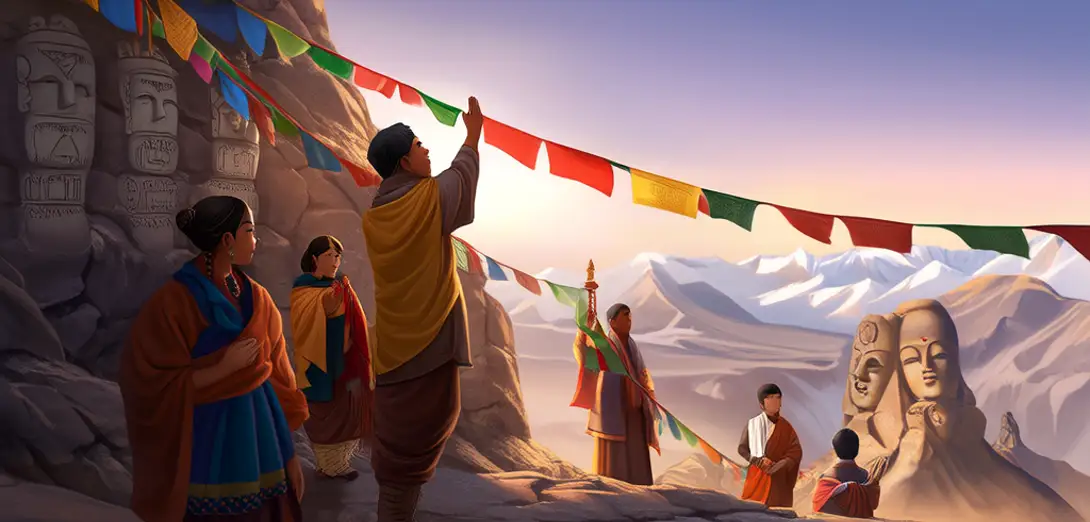
Ladakh’s Losar Processions: Prayer Flags Across Geological Time
拉达克洛萨尔节游行:经幡跨越地质时间
-
At dawn on Losar, villagers in Leh hoist new prayer flags atop wind-sculpted cliffs where Buddhist monks carved mantras before Islam reached Central Asia.洛萨节黎明时分,列城的村民登上风蚀而成的悬崖,在伊斯兰教传入中亚之前,佛教僧人曾在此崖壁上刻下经文。
-
Each flag bears printed syllables representing earth, water, fire, air, and space—elements that shaped Ladakh’s stark valleys over millions of years.每面经幡印有代表地、水、火、风、空五种元素的音节,这些元素历经数百万年塑造了拉达克荒凉的河谷。
-
Children carry miniature stupas filled with barley seeds collected from fields farmed continuously since the 9th century.孩童们捧着微型佛塔,里面装着自九世纪以来持续耕种的田地里采集的青稞种子。
-
Elders explain how flag colors align with geological strata visible in nearby mountains: blue for ancient seabeds, white for glacial till, yellow for alluvial soil.长者解释经幡颜色与附近山体显露的地质层相对应:蓝色象征远古海床,白色代表冰川沉积,黄色对应冲积土壤。
-
No motorized transport joins the procession; yaks bear drums and butter-lamp stands along trails used by Silk Road traders and Tibetan pilgrims alike.游行队伍不使用任何机动交通工具;牦牛驮着鼓和酥油灯架,沿丝路商旅与藏地朝圣者共用的古道前行。
-
Tourists may join the walk only after receiving a blessing scarf and learning the proper way to tie a knot that signifies interdependence—not ownership.游客须先接受哈达祝福,并学会以象征依存而非占有的方式打结,方能加入徒步。
-
When plastic flags appeared in markets, monasteries launched a campaign teaching youth to dye cloth with saffron, indigo, and iron-rich mud from sacred springs.当塑料经幡涌入市场,寺院发起运动,教导青年用藏红花、靛蓝及圣泉富含铁质的泥浆为布料染色。
-
The ritual insists that time is layered, not linear: a single gust lifts prayers past glaciers, monasteries, and smartphone cameras simultaneously.这一仪式昭示时间是层层叠叠的,而非线性:一阵风同时携祈祷掠过冰川、寺院与智能手机镜头。
-
Even weather forecasts are consulted through cloud patterns observed for eight centuries—not satellite data alone.连天气预报也依据八百年来观测的云象,而不单靠卫星数据。
-
Losar teaches that honoring ancestors means tending the very rocks and winds that cradle memory.洛萨节启示人们:敬奉祖先,即是守护承载记忆的岩石与长风。