正在确认阅读权限…
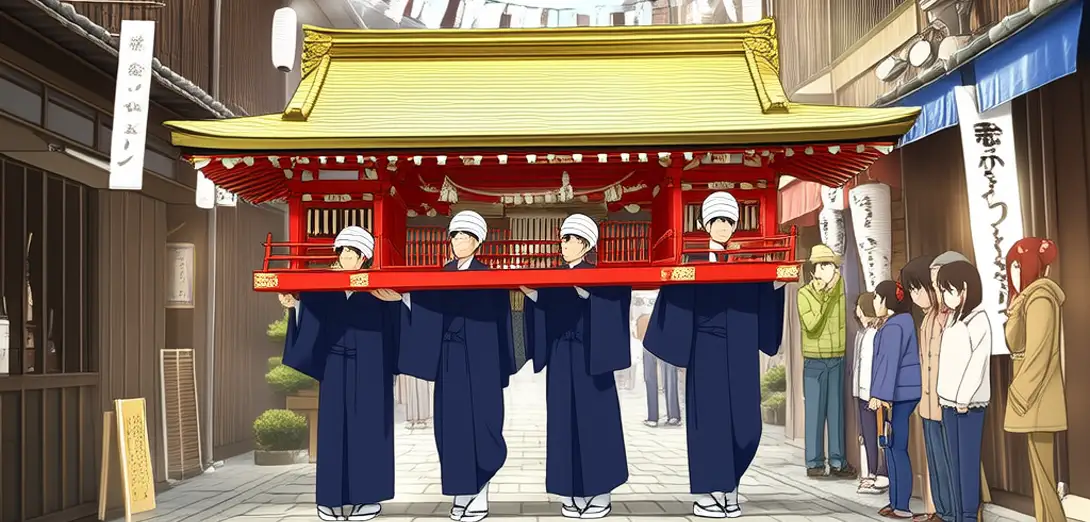
Kyoto’s Kanda Matsuri Procession: Shrines on Wheels, Not Screens
京都神田祭游行:移动的神社,而非屏幕
-
Every May, Kyoto’s Kanda Shrine transports portable mikoshi shrines through narrow alleyways where Edo-period merchants once carried silk bales on shoulder poles.每年五月,京都神田神社的神轿都会穿过狭窄小巷,而江户时代的商人曾在此用肩杠运送丝绸包。
-
These mikoshi are not static displays; teams lift them rhythmically so deities sway gently—like passengers nodding in approval of neighborhood life.这些神轿并非静止陈列;抬轿队伍有节奏地起伏,使神灵轻柔摇晃——仿佛乘客正点头赞许邻里生活。
-
Smartphone livestreams exist, but official broadcast feeds cut out when mikoshi enter private temple courtyards, honoring spaces where digital eyes do not belong.虽有智能手机直播,但官方转播信号一进入私家寺庙庭院便自动中断,以尊重数字目光不该涉足的空间。
-
Youth volunteers spend months repairing lacquerwork on shrine panels depicting 17th-century street festivals—not copying, but reinterpreting cherry blossoms as climate-resilient hybrids.青年志愿者花数月修复神社木板上的漆绘,描绘十七世纪街头庆典——并非临摹,而是将樱花重新诠释为适应气候变化的杂交品种。
-
When a tech firm proposed AR overlays showing 'ghost processions' from 1868, priests required coders to first apprentice with wood-carvers for six weeks.当一家科技公司提议用增强现实技术叠加1868年‘幽灵游行’影像时,神职人员要求程序员先跟随木雕匠人学徒六周。
-
Neighborhood associations assign each family a specific carrying role based on ancestral trade—papermakers hold rear beams, sake brewers guide front corners—reinforcing social memory through muscle.邻里协会按祖先职业为每户分配特定抬轿职责——造纸匠执后梁,清酒酿造者掌前角——借肌肉记忆维系社会记忆。
-
No loudspeakers blast commentary; instead, flute players match tempo to the crowd’s collective breath, creating acoustic cohesion across generations.现场不设扩音喇叭解说;笛手依人群集体呼吸调整节奏,以声音凝聚跨越世代的共鸣。
-
Foreign visitors receive handwritten maps on washi paper, with landmarks marked by seasonal plants—not GPS coordinates—because timing matters more than location.外国游客获赠手绘和纸地图,地标以应季植物标注而非GPS坐标,因时机比位置更重要。
-
The procession pauses exactly three times at wells dug before the Meiji Restoration, allowing elders to offer rice wine poured from heirloom cups.游行队伍恰在明治维新前开凿的三口古井旁停驻三次,让长者用传家酒杯倾倒清酒敬献。
-
Kanda Matsuri insists that history moves not in data streams, but in shared weight, shared rhythm, and shared silence between steps.神田祭坚持:历史不在数据流中前行,而在共担之重、共循之律、以及步履之间共享的静默里。