正在确认阅读权限…
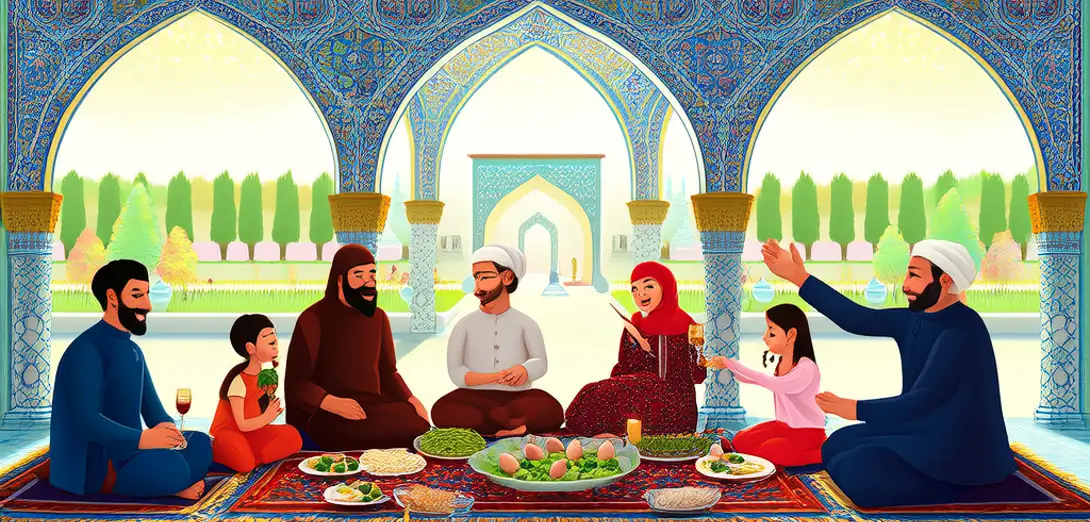
Nowruz in Isfahan: Siyāh Chādor’s Mirror Gardens and Renewal Rites
伊朗伊斯法罕诺鲁孜节:西雅赫查多尔镜园与新生仪典
-
On the spring equinox, families gather in Isfahan’s historic mirror gardens to share haft-sīn tables beneath arched ceilings.春分时节,家家户户齐聚伊斯法罕历史悠久的镜园,在拱形穹顶下共赏七宝桌。
-
Seven symbolic items—like sprouted wheat, apples, and vinegar—are arranged precisely to represent renewal, health, and patience.七种象征物——如发芽小麦、苹果和醋——被精心摆放,寓意新生、健康与耐心。
-
Older Isfahanis recite Hafez poetry aloud while grandchildren polish mirrors that reflect light onto ceiling mosaics.年长的伊斯法罕人高声吟诵哈菲兹诗篇,孙辈则擦拭镜子,将光线反射至穹顶马赛克上。
-
Neighborhoods host communal bonfires on the eve of Chahārshanbe Sūrī, leaping over flames to shed last year’s misfortunes.查哈尔沙姆贝苏里节前夜,邻里共燃篝火,人们跃过火焰,以驱散旧岁厄运。
-
Artisans from nearby villages sell hand-painted eggs and miniature copper trays engraved with Nowruz motifs.附近村庄的匠人售卖手绘彩蛋和镌有诺鲁孜图案的微型铜托盘。
-
Schoolchildren perform traditional folk dances in Naqsh-e Jahan Square, watched by elders who remember Soviet-era bans on such celebrations.学生们在伊玛目广场跳起传统民间舞蹈,观者是曾亲历苏联时期禁止此类庆典的长辈。
-
The Zayandeh River flows slowly past bridges where lovers tie wishes on iron railings during the thirteen-day festival.赞德河缓缓流经桥梁,节庆十三日间,恋人们将心愿系于铁栏之上。
-
No single family owns the garden; it belongs to generations who tend its roses, prune its cypresses, and pass down its songs.这座花园不属于任何一家一户,而属于世代照料玫瑰、修剪柏树、传唱园中歌谣的人们。
-
Nowruz here is neither imported nor invented—it is remembered daily in bread ovens, courtyard fountains, and morning greetings.这里的诺鲁孜既非舶来,亦非新创——它日日存于烤炉、庭院喷泉与晨间问候之中。
-
In Isfahan, time does not move forward in straight lines but circles back through mirrored surfaces and seasonal returns.在伊斯法罕,时间并非直线前行,而是借镜面折射与季节轮回不断回返。