正在确认阅读权限…
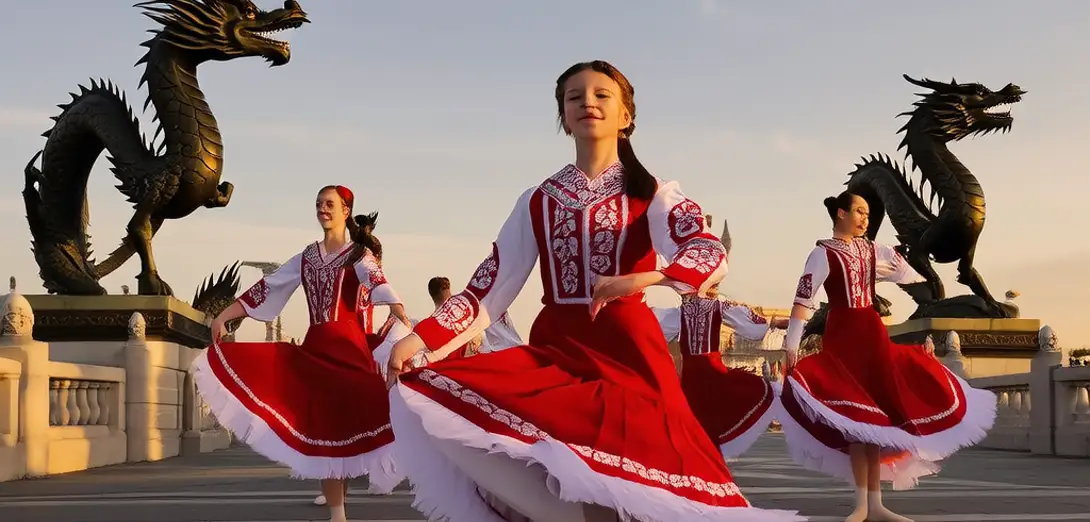
Intangible Heritage in Ljubljana: Dragon Bridge’s Folk Dances and Civic Memory
斯洛文尼亚卢布尔雅那无形遗产:龙桥民间舞蹈与公民记忆
-
Every Sunday at dusk, dancers in embroidered white-and-red costumes perform kolo circles beneath the dragon statues of Ljubljana Bridge.每周日黄昏,身着绣有红白图案服饰的舞者在卢布尔雅那桥的龙雕像下跳科洛圆圈舞。
-
These dances were revived in the 1980s after decades of suppression under Yugoslav centralization policies.这些舞蹈在1980年代得以复兴,此前曾因南斯拉夫中央集权政策被压制数十年。
-
Young people learn steps from grandparents who once danced secretly in mountain barns during wartime curfews.年轻人向祖父母学习舞步,而祖父母当年曾在战时宵禁期间秘密于山间谷仓起舞。
-
The bridge itself was built in 1901, but the dragon symbol predates Roman roads carved into nearby hills.这座桥建于1901年,但龙形符号的历史比附近山丘上开凿的罗马古道还要久远。
-
Tour guides explain how each dancer’s belt pattern identifies their valley—Tržič, Škofja Loka, or Logatec—without speaking a word.导游解释说,每位舞者腰带上的纹样无声地标识其家乡山谷——特尔日奇、什科菲亚洛卡或洛加泰茨。
-
Children toss flower petals into the Ljubljanica River while elders sing verses that name local saints, rivers, and resistance poets.孩子们将花瓣撒入卢布尔雅尼察河,老人们则吟唱颂扬本地圣人、河流与抵抗诗人的诗句。
-
City planners preserved the bridge’s original ironwork rather than replacing it with modern materials during renovation.城市规划者在翻修时保留了桥梁原有的铸铁构件,未以现代材料替代。
-
Dance circles widen slowly as strangers join hands, transforming public space into temporary kinship through rhythm and repetition.舞圈缓缓扩大,陌生人牵起手来,借由节奏与重复,将公共空间暂时转化为亲缘纽带。
-
No official decree declared this heritage ‘intangible’—it simply persisted in footsteps, melodies, and shared pauses.没有任何官方法令宣布这一遗产为‘非物质’——它仅凭脚步、旋律与共有的停顿便自然延续。
-
Ljubljana proves that civic memory lives not only in archives but in the weight of a step on old stone.卢布尔雅那证明:公民记忆不仅存于档案馆,更存于踏在古老石阶上的脚步分量之中。