正在确认阅读权限…
Kente Weaving in Bonwire: Threads That Name Ancestors and Nations
加纳博恩维雷肯特织布:命名祖先与国家的经纬线
-
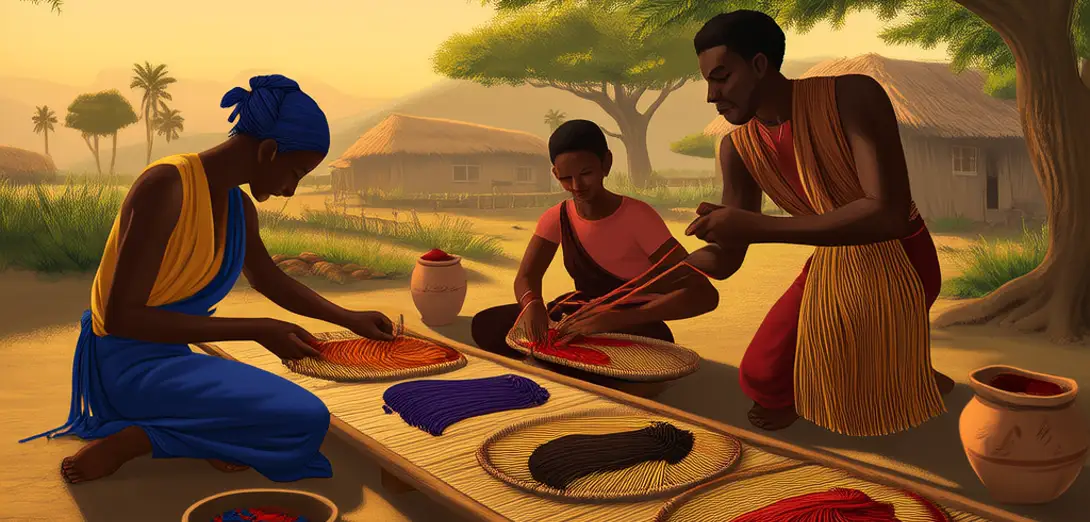
In Bonwire village, master weavers rise before sunrise to prepare cotton threads dyed with roots, bark, and clay from nearby hills.在邦维雷村,织布大师天未亮便起身,用附近山丘的根、树皮和黏土为棉线染色。
-
Each kente pattern carries a name—like 'Eban' (safety) or 'Sika Futuro' (gold dust)—that tells a story older than Ghana’s independence.每种肯特布图案都有名字,比如‘埃班’(平安)或‘西卡富图罗’(金粉),讲述着比加纳独立更久远的故事。
-
Boys apprentice at age ten, learning to read cloth like elders read proverbs whispered at evening fires.男孩十岁起当学徒,学习像长辈读篝火旁低语的谚语一样读懂布匹。
-
When the Asantehene wears new kente during Akwasidae, every thread echoes treaties signed under silk umbrellas in 1701.阿桑蒂赫内于阿克瓦西代节穿上新肯特布时,每一根纱线都在回响1701年丝绸华盖下签署的条约。
-
Tourists may buy small scarves, but full cloths take three months to weave and belong only to those whose lineage earned the design.游客可购买小方巾,但整幅布需耗时三个月织就,仅授予家族血脉配得上该图案者。
-
Weavers refuse synthetic dyes, insisting that color must come from earth so ancestors recognize their descendants’ cloth.织工拒绝使用合成染料,坚持色彩必须源于大地,好让祖先认出子孙所穿之布。
-
Schools teach kente vocabulary alongside math, because geometry in weaving teaches balance, tension, and responsibility.学校将肯特布词汇与数学并授,因织布中的几何学教人平衡、张力与责任。
-
During funerals, widows wrap themselves in specific patterns that declare both grief and unbroken royal connection.葬礼上,寡妇裹上特定图案,既昭示哀思,亦彰显与王室血脉的永恒联结。
-
Bonwire’s looms click day and night—not for export quotas but to keep names alive when oral memory fades.邦维雷的织机昼夜咔嗒作响——不为出口配额,只为在口传记忆消退时留住姓名。
-
Here, history isn’t stored in books; it’s held in tension across wooden frames, waiting to be worn, seen, and understood.此处历史不存于书册,而绷紧于木架之间,静待被穿戴、被看见、被理解。