正在确认阅读权限…
Umbrian Palio in Bevagna: Medieval Guilds and Shared Urban Time
意大利翁布里亚贝瓦尼娅帕里奥节:中世纪行会与共享城市时间
-
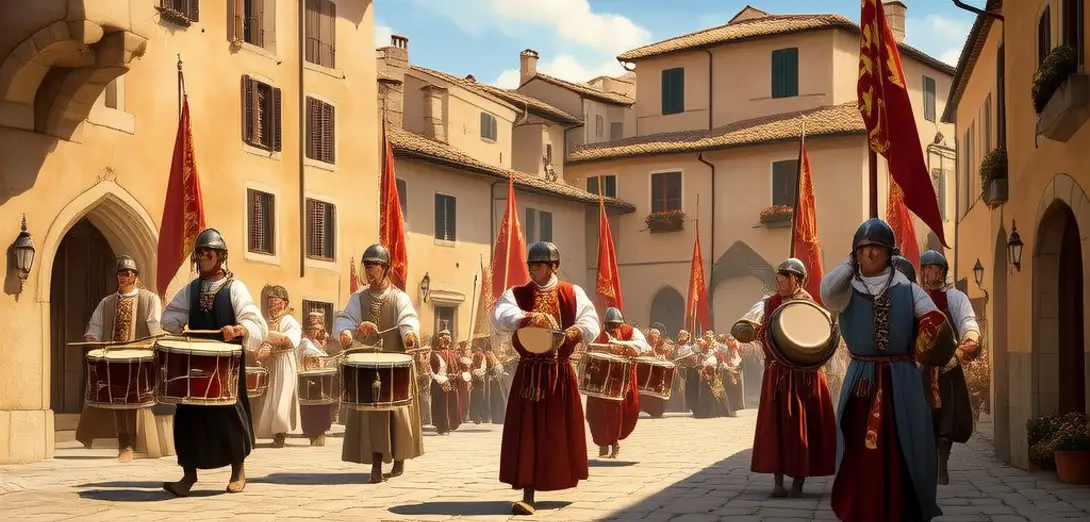
Each July, Bevagna’s narrow streets fill with drummers, flag-wavers, and guild members dressed in 14th-century wool tunics.每年七月,贝瓦尼亚狭窄的街道上挤满鼓手、挥旗者和身着14世纪羊毛束腰外衣的行会成员。
-
The six contrade—each named for a trade like weavers, shoemakers, or bakers—compete not for money but for a painted silk banner.六个分区——分别以织工、鞋匠、面包师等职业命名——争夺的不是金钱,而是一面手绘丝绸旗帜。
-
Guild workshops reopen for weeks before the Palio, teaching teens how to weave banners using looms older than the town hall.在赛会开始前数周,行会作坊重新开放,教青少年用比市政厅还古老的织机编织旗帜。
-
When the race begins, riders steer horses bareback through cobblestone turns that haven’t changed since Dante walked these lanes.比赛开始时,骑手赤脚策马,疾驰过自但丁走过以来便未曾改变的鹅卵石弯道。
-
Winners display the palio in their church for a year, where it hangs beside frescoes showing St. Francis preaching to birds.获胜者将旗帜悬挂在本区教堂内一年,与圣方济各向飞鸟布道的壁画并列。
-
Visitors sit on ancient stone benches instead of bleachers, sharing wine with neighbors who’ve hosted the same families for forty years.游客坐在古老的石凳上而非看台,与已连续四十年接待同一家族的邻居共饮葡萄酒。
-
The town clock still strikes noon with a brass bell cast in 1324, reminding everyone that time belongs to the community, not the hourglass.镇上的钟楼至今仍用1324年铸造的黄铜钟报响正午,提醒众人:时间属于社群,而非沙漏。
-
Even today, guild leaders meet monthly in vaulted cellars to discuss water rights, olive harvests, and festival preparations.直至今日,行会领袖仍每月在拱顶地窖中聚会,商议用水权、橄榄收成与节庆筹备。
-
This Palio never became a tourist show because its rules forbid photography during the blessing ceremony at dawn.这场赛会从未沦为旅游表演,因其规则明令禁止黎明祝福仪式期间拍照。
-
Bevagna shows how urban time can be measured in loom throws, horse strides, and shared silences—not seconds or apps.贝瓦尼亚昭示着:城市的时间可由织机投梭、骏马奔跃与共享的静默来丈量,而非秒针或手机应用。