正在确认阅读权限…
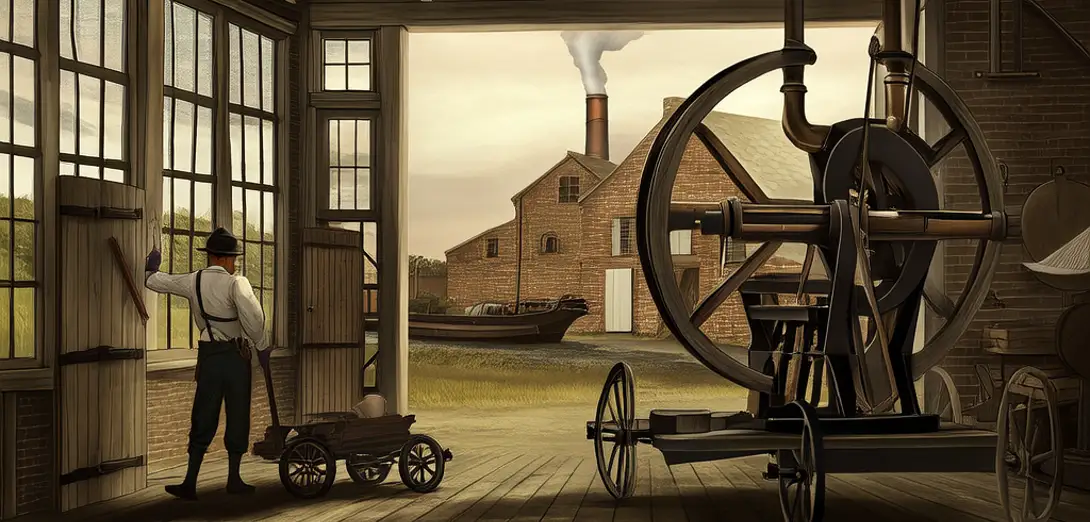
The Industrial Revolution: Machines and Changing Lives
工业革命:机器与生活变迁
-
Starting in late-18th-century Britain, new machines powered by steam replaced hand tools and animal labor.18世纪末,英国开始用蒸汽动力新机器取代手工工具和畜力。
-
Factories rose near coal mines and rivers, drawing workers from rural villages into fast-growing cities.工厂在煤矿和河流附近兴起,吸引农村人口涌入快速扩张的城市。
-
Textile production exploded — one spinning jenny could do the work of eight people using old wheels.纺织业产量激增——一台珍妮纺纱机的效率相当于八人使用旧式纺车。
-
Railroads and steamships cut travel time, moved goods cheaply, and connected markets across continents.铁路与蒸汽轮船大幅缩短旅行时间,降低货运成本,连接起各大洲市场。
-
Child labor was common at first, but rising public concern led to laws limiting working hours and ages.童工起初很普遍,但公众日益关注促使立法限制工时与最低工作年龄。
-
New inventions like telegraphs allowed instant long-distance communication for the first time in human history.电报等新发明首次实现人类历史上远距离即时通信。
-
Pollution, crowded housing, and dangerous conditions sparked labor unions and social reform movements.污染、拥挤的住房与危险的工作环境催生了工会与社会改革运动。
-
This shift did not happen overnight, but it permanently altered how people worked, lived, and imagined progress.这一变革并非一蹴而就,却永久改变了人们的工作方式、生活方式与对进步的理解。