正在确认阅读权限…
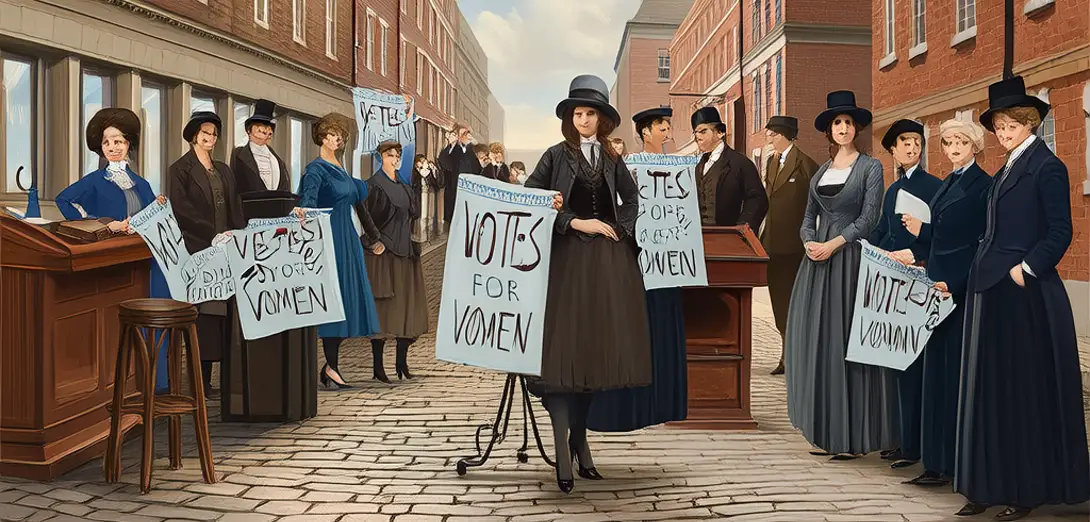
Women’s Suffrage: Votes and Voices
妇女选举权:选票与声音
-
In the 19th century, women in the U.S. and Britain organized meetings, wrote essays, and held peaceful marches for voting rights.19世纪,美国和英国的女性组织集会、撰写文章、举行和平游行,争取投票权。
-
Susan B. Anthony and Elizabeth Cady Stanton drafted a declaration modeled on the American Declaration of Independence.苏珊·安东尼和伊丽莎白·卡迪·斯坦顿起草了一份效仿《美国独立宣言》的宣言。
-
British suffragettes like Emmeline Pankhurst adopted bolder tactics — hunger strikes, window-breaking, and civil disobedience.以埃米琳·潘克赫斯特为代表的英国女权主义者采取了更激进的策略——绝食抗议、砸窗和公民抗命。
-
World War I shifted public views, as women took on factory, transport, and medical jobs previously held by men.第一次世界大战改变了公众看法,女性承担起原本由男性从事的工厂、运输和医疗工作。
-
New Zealand granted full voting rights in 1893, becoming the first self-governing country to do so.新西兰于1893年赋予女性完全投票权,成为首个实现这一目标的自治国家。
-
The U.S. passed the 19th Amendment in 1920, though many Black women faced voter suppression for decades after.美国于1920年通过第十九修正案,但此后数十年间,许多黑人女性仍遭投票压制。
-
Activists linked suffrage to broader goals: education, property rights, and legal protections against abuse.活动家将选举权与更广泛的目标联系起来:教育、财产权以及免受虐待的法律保护。
-
Their success proved that persistent, strategic advocacy could reshape democracy itself.她们的成功证明,持续而富有策略的倡导能够重塑民主本身。