正在确认阅读权限…
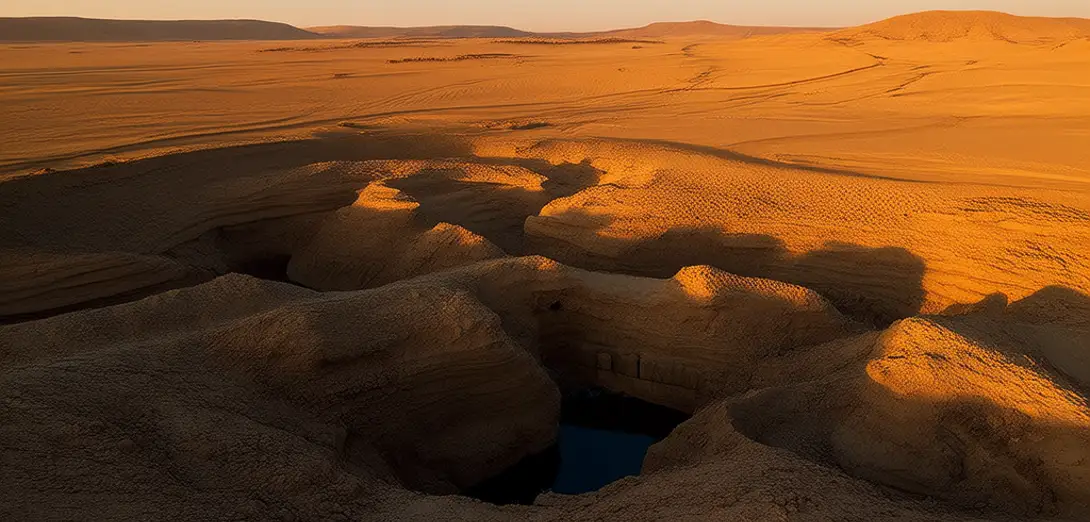
Turpan Basin’s Extreme Heat and the Karez System: Hydraulic Ingenuity Under Arid Constraints
吐鲁番盆地酷热与坎儿井:干旱约束下的水利智慧
-
Located 154 meters below sea level, the Turpan Basin endures summer temperatures exceeding 47°C — among Earth’s most extreme continental heat islands.吐鲁番盆地海拔低于海平面154米,夏季气温常超47°C,是地球上最极端的大陆性热岛之一。
-
Its ancient karez system, comprising over 1,100 subterranean canals totaling 5,000 kilometers, bypasses evaporation losses by channeling snowmelt from Tian Shan glaciers through gently sloped tunnels beneath the desert surface.其古老的坎儿井系统由1100多条地下暗渠组成,总长5000公里,通过缓坡隧道将天山冰川融水引至沙漠地表之下,避免蒸发损失。
-
Unlike modern reservoirs vulnerable to dust storms and thermal stratification, the karez maintains stable water temperatures year-round, supporting grape cultivation in one of Asia’s hottest inhabited regions.与易受沙尘暴和热分层影响的现代水库不同,坎儿井全年水温稳定,支撑着亚洲最炎热有人居住区之一的葡萄种植。
-
Maintenance requires precise geomorphological knowledge: tunnel gradients must stay between 0.1% and 0.3% — steep enough for flow, shallow enough to prevent erosion or collapse.维护需精准掌握地貌知识:暗渠坡度须控制在0.1%至0.3%之间——既要保证水流畅通,又不能过陡导致侵蚀或坍塌。
-
Climate change has reduced Tian Shan glacier volume by 27% since 1960, forcing karez-dependent villages to deepen mother wells and install solar-powered pumps to supplement declining gravity-fed flow.自1960年以来,气候变化已使天山冰川体积减少27%,迫使依赖坎儿井的村庄加深母井,并安装太阳能水泵,以弥补重力供水的持续衰减。
-
Urban expansion and deep-well drilling have lowered local water tables, causing over 300 karez to dry up completely since the 1980s — a loss of both infrastructure and intergenerational hydrological knowledge.城市扩张与深井开采导致当地地下水位下降,自1980年代起已有300多条坎儿井彻底干涸——既失去基础设施,也流失代代相传的水文智慧。
-
UNESCO heritage status brought preservation funds but also standardized repair protocols that sometimes override locally adapted techniques developed over centuries.联合国教科文组织遗产认定带来保护资金,但也推行标准化修复规程,有时反而取代了历经数百年形成的本地适应性技术。
-
Contemporary engineers now integrate karez principles into sustainable architecture — designing underground cooling corridors and earth-sheltered buildings that mimic the system’s passive thermoregulation.当代工程师正将坎儿井原理融入可持续建筑——设计地下降温通道与覆土式建筑,模拟其被动式温度调控机制。
-
The karez exemplifies what geographers term ‘hydraulic citizenship’: water access defines social status, shapes settlement patterns, and structures cooperative labor obligations across ethnic Uyghur and Han communities.坎儿井体现了地理学者所称的‘水利公民权’:用水权界定社会地位、塑造聚落格局,并在维吾尔族与汉族社区间构建协作劳作义务。
-
Its decline reflects broader tensions between centralized water resource management and decentralized, place-based stewardship traditions.其衰落折射出中央集权式水资源管理与地方化、在地化水治理传统之间的深层张力。
-
Revival efforts focus not on reconstruction alone but on reviving the qanat master apprenticeship system — ensuring transmission of tacit knowledge about soil acoustics, seepage detection, and seasonal flow forecasting.复兴努力不仅聚焦重建工程,更重振坎儿井匠人师徒传承体系——确保土壤声学判别、渗漏识别及季节性流量预测等默会知识得以延续。
-
This hydraulic legacy reminds us that climate adaptation need not mean importing foreign technologies but reactivating contextually evolved wisdom embedded in landscape-scale infrastructure.这一水利遗产提醒我们:气候适应未必依赖引进外来技术,而可重启根植于大地尺度基础设施中的本土演化智慧。