正在确认阅读权限…
Geography and Environmental Change Narratives: From Linear Progress to Recursive Transformation (Batch 0001-046)
地理与环境变迁叙事:从线性进步到递归转型(批次0001-046)
-
Dominant environmental narratives still frame change as linear progression — from degradation to restoration — ignoring recursive feedbacks where restoration efforts trigger new vulnerabilities.主流环境叙事仍将变化视为线性进程——从退化走向修复——却忽视了修复行动可能引发新脆弱性的循环反馈。
-
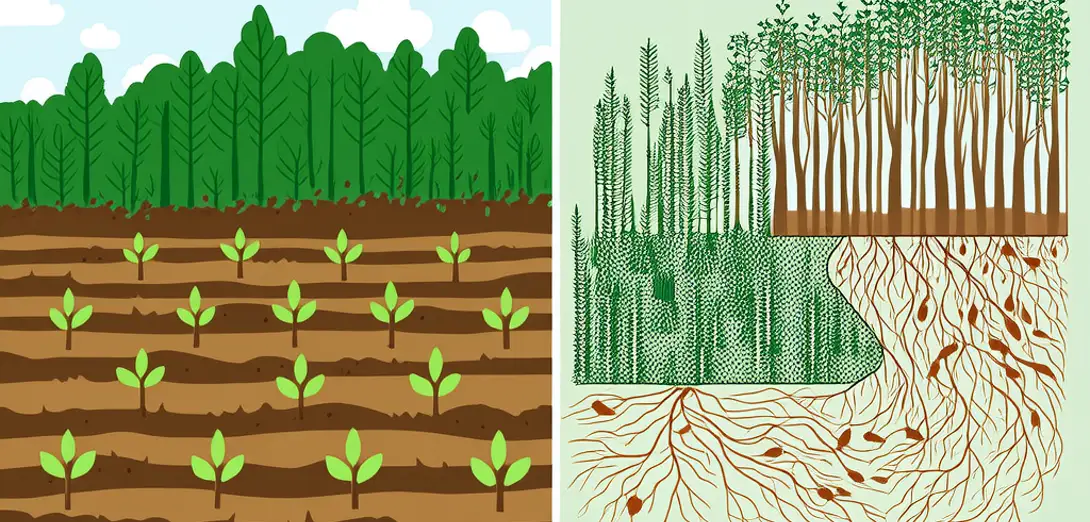
Reforestation in the Loess Plateau increased water retention but reduced downstream sediment delivery, compromising delta fertility and triggering costly dredging campaigns in the Yellow River estuary.黄土高原的植树造林虽提升了蓄水能力,却减少了下游泥沙输送,损害了三角洲肥力,并导致黄河入海口 costly 清淤工程。
-
Geographic storytelling now embraces nonlinear time: paleoclimate data shows that current warming rates exceed Holocene variability, making ‘historical baselines’ ecologically irrelevant for adaptation planning.地理叙事如今接纳非线性时间观:古气候数据显示,当前变暖速率已超出全新世自然变率,使‘历史基准’在适应规划中失去生态相关性。
-
Indigenous cosmologies offer alternative temporal frameworks — Māori concepts of whakapapa link present land management to ancestral obligations stretching seven generations backward and forward.原住民宇宙观提供了替代性时间框架——毛利人的‘whakapapa’概念将当下土地管理与追溯七代、延伸七代的祖辈责任紧密联结。
-
Corporate sustainability reports increasingly adopt ‘scenario-planning maps’ visualizing how different climate pathways could fragment supply chains across geopolitical fault lines and ecological tipping points.企业可持续发展报告日益采用‘情景规划图’,直观呈现不同气候路径如何沿地缘政治断层线与生态临界点撕裂供应链。
-
Such narratives reject technocratic optimism: solar panel deployment may reduce emissions but accelerate rare-earth mining pressures in ecologically sensitive high-altitude regions.此类叙事拒绝技术官僚式乐观:光伏板部署或可减排,却加剧了生态敏感高海拔地区稀土开采压力。
-
Media literacy programs teach audiences to deconstruct environmental headlines by asking ‘What spatial scale is omitted? Which actors are rendered invisible? What temporal horizon is assumed?’媒体素养项目教导公众解构环境新闻标题,追问‘被忽略的空间尺度是什么?哪些行动者被隐形?预设的时间视野是多久?’
-
Urban regeneration projects now publish ‘counter-maps’ showing demolition timelines alongside oral histories of displaced residents and lost communal spaces — challenging singular progress narratives.城市更新项目如今发布‘反向地图’,将拆除时间线与流离失所居民的口述史及消逝的公共空间并置,挑战单一进步叙事。
-
This recursive perspective treats environmental change as co-production: human decisions reshape biophysical systems, which in turn reconfigure social institutions and cultural identities.这种循环视角将环境变化视作共生产物:人类决策重塑生物物理系统,而后者又反过来重构社会制度与文化认同。
-
Even conservation biology adopts geographic narration — tracking how assisted migration of tree species alters not just forest composition but indigenous harvesting calendars and ceremonial practices.就连保护生物学也采纳地理化叙事——追踪树种辅助迁移如何不仅改变森林组成,更影响原住民采收历法与仪式实践。
-
Narrative transformation thus becomes a geographic intervention: reshaping the stories we tell about places determines which futures we consider possible, permissible, or worth fighting for.因此,叙事转型本身即是一种地理干预:我们讲述地方故事的方式,决定了哪些未来被视为可能、正当,或值得为之抗争。
-
Ultimately, effective environmental communication must hold complexity — acknowledging loss while cultivating agency, honoring tradition while embracing necessary reinvention.最终,有效的环境传播必须容纳复杂性——既直面损失,又培育能动性;既尊重传统,又拥抱必要之再造。