正在确认阅读权限…
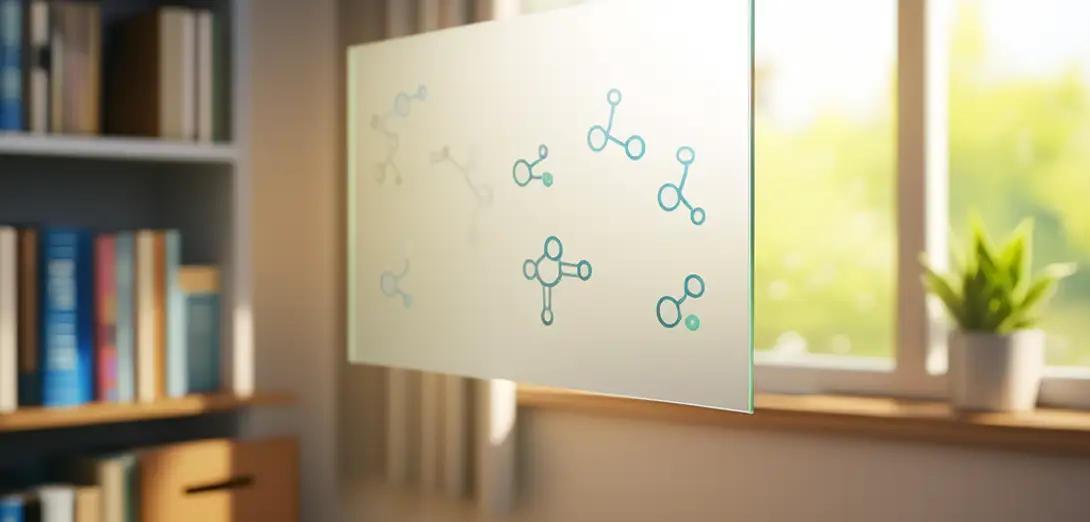
How Self-Adjusting Window Films Respond to Sunlight Intensity
智能调光窗膜如何根据阳光强度自动调节透光率
-
Self-adjusting window films contain photochromic molecules that change shape when exposed to UV light.自调节窗膜含有光致变色分子,遇紫外线会改变形状。
-
As sunlight intensifies, these molecules rearrange to block more visible light while maintaining clarity.阳光越强,这些分子重新排列,阻挡更多可见光,同时保持透光清晰。
-
Unlike tinted glass, this process requires no electricity and reverses automatically when UV levels drop.与染色玻璃不同,该过程无需电力,且紫外线减弱时自动复原。
-
Engineers test film responsiveness using calibrated solar simulators that mimic midday summer conditions.工程师使用校准的太阳模拟器(模拟正午夏季光照)测试窗膜响应速度。
-
The films reduce indoor cooling loads by up to 25% in hot climates without sacrificing daylight.在炎热气候下,这类窗膜可降低室内制冷负荷达25%,且不牺牲自然采光。
-
Some versions integrate with building management systems to coordinate shading with HVAC operation.部分型号可接入楼宇管理系统,协同调控遮阳与暖通空调运行。
-
Manufacturers tune molecular sensitivity so activation occurs only above safe UV thresholds for human skin.制造商调整分子敏感度,确保仅在紫外线强度超过人体皮肤安全阈值时激活。
-
Long-term durability is verified through accelerated aging tests simulating five years of desert exposure.通过加速老化试验(模拟五年沙漠环境暴露)验证其长期耐久性。
-
These smart materials exemplify passive energy optimization rooted in polymer chemistry and optics.这类智能材料体现了基于高分子化学与光学原理的被动式节能优化。
-
Because they work at the molecular level, no moving parts ever wear out or need maintenance.因其作用发生在分子层面,无任何活动部件,永不磨损,无需维护。