正在确认阅读权限…
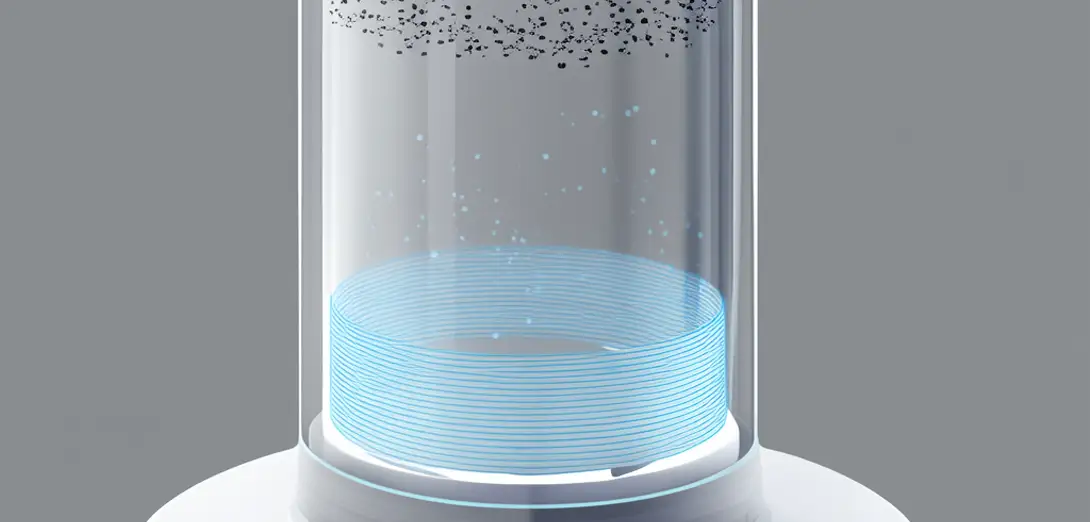
How Magnetorheological Fluids Change Viscosity in Real Time Under Magnetic Fields
磁流变液如何在磁场作用下实时改变黏度
-
Magnetorheological (MR) fluids contain micron-sized iron particles suspended in silicone oil.磁流变(MR)液由悬浮在硅油中的微米级铁颗粒组成。
-
When exposed to a magnetic field, these particles align into chain-like structures that dramatically increase resistance to flow.在磁场作用下,这些颗粒会排列成链状结构,显著增大流动阻力。
-
The viscosity change happens within milliseconds, allowing precise control of damping force in automotive suspensions.黏度变化在毫秒级内完成,从而实现对汽车悬架阻尼力的精确控制。
-
Engineers calibrate field strength using Hall-effect sensors to match road vibration frequencies in real time.工程师利用霍尔效应传感器实时校准磁场强度,以匹配路面振动频率。
-
Unlike hydraulic systems, MR dampers require no valves or pumps, reducing mechanical complexity and failure points.与液压系统不同,MR减振器无需阀门或泵,降低了机械复杂性和故障点。
-
Researchers optimize particle coating chemistry to prevent sedimentation during long idle periods.研究人员优化颗粒表面涂层化学成分,防止长时间静置时发生沉降。
-
These fluids remain stable across −40°C to 150°C, making them suitable for aerospace and seismic dampers.这类流体在−40°C至150°C范围内保持稳定,适用于航空航天及抗震减振器。
-
Testing involves rheometers that apply controlled shear stress while varying magnetic flux density.测试采用流变仪,在调节磁通密度的同时施加可控剪切应力。
-
MR technology bridges materials science, electromagnetism, and control theory in everyday adaptive engineering.MR技术将材料科学、电磁学与控制理论融于日常自适应工程中。
-
Because response is reversible and continuous, it enables smoother rides and safer building stabilization.因其响应可逆且连续,可实现更平顺的驾乘体验和更安全的建筑减振。