正在确认阅读权限…
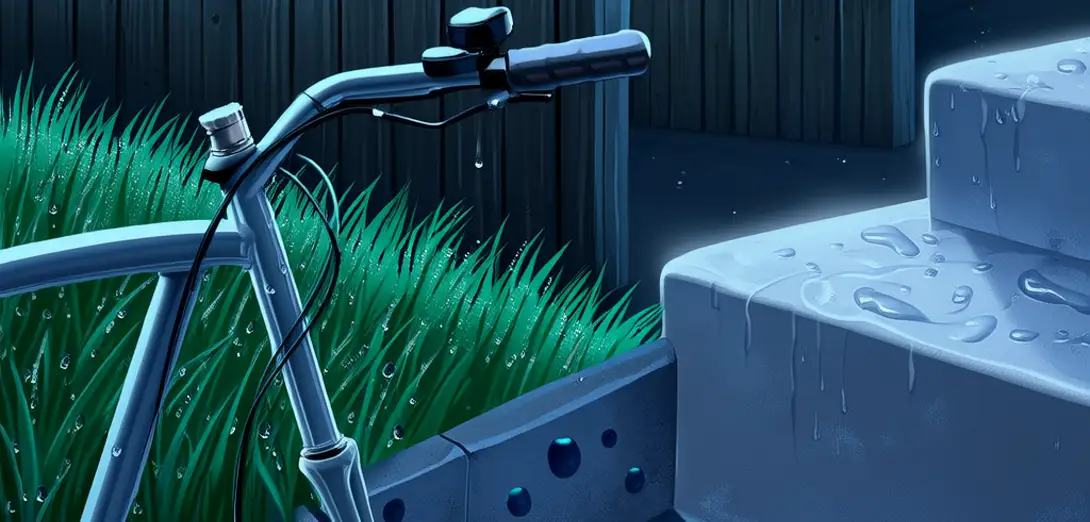
Why Morning Dew Appears Only on Certain Surfaces During Clear Nights
为何晴朗夜晚只有特定表面会出现晨露
-
Dew forms when surfaces cool below the dew point temperature, causing atmospheric water vapor to condense directly.当物体表面温度降至露点以下时,空气中的水蒸气直接凝结成露。
-
Materials like grass and metal lose heat rapidly through radiation, dropping faster than soil or wood on clear nights.草和金属等材料在晴朗夜晚通过辐射快速散热,降温速度比土壤或木材更快。
-
High humidity and low wind are essential because still air prevents mixing that would warm the surface.高湿度和微风是必要条件,因为静止空气可防止热量混合,从而避免地表升温。
-
Scientists use infrared thermography to map micro-scale temperature differences across urban and rural landscapes.科学家利用红外热成像技术,绘制城乡地表微尺度温度差异图。
-
Dark, thin objects radiate heat more efficiently, explaining why car roofs often glisten while nearby concrete stays dry.颜色深、质地薄的物体更高效地向外辐射热量,因此汽车车顶常泛光,而邻近混凝土仍保持干燥。
-
Plants emit less longwave radiation than artificial surfaces, which partly explains why lawns collect more dew than sidewalks.植物发射的长波辐射少于人工地表,这在一定程度上解释了草坪比人行道更容易结露。
-
Dew-point calculators combine air temperature, relative humidity, and surface emissivity to forecast formation likelihood.露点计算器综合气温、相对湿度和地表发射率,预测结露可能性。
-
In agriculture, dew monitoring helps time pesticide applications to avoid runoff from premature evaporation.在农业中,监测露水有助于选择农药喷洒时机,避免因过早蒸发导致药剂流失。
-
Urban heat islands suppress dew formation, altering local microclimates and plant transpiration patterns.城市热岛效应抑制露水形成,改变局地小气候及植物蒸腾模式。
-
This natural condensation process demonstrates thermodynamics principles accessible through backyard observation.这一自然冷凝过程体现了可通过庭院观察理解的热力学原理。