正在确认阅读权限…
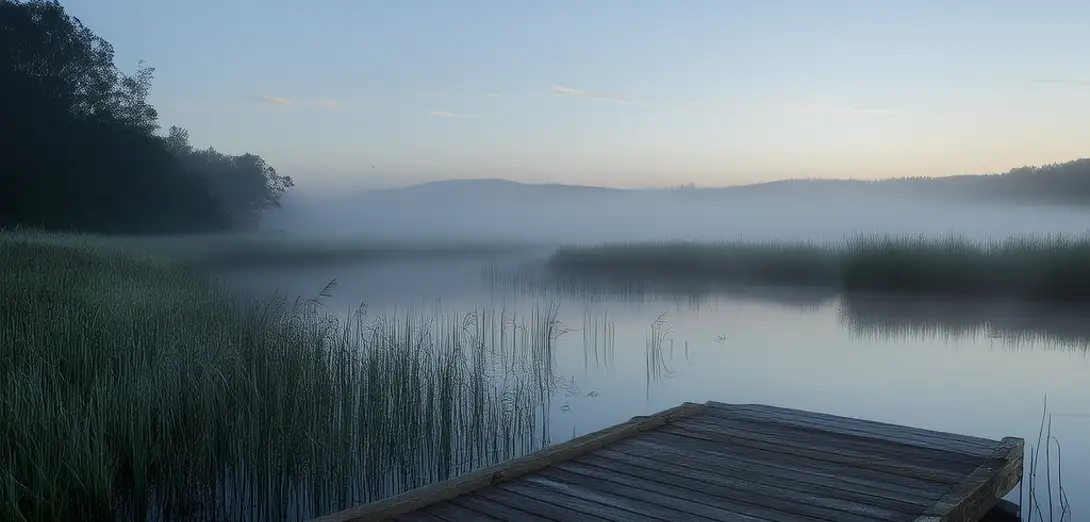
Why Independent Article 2026-D050 Explains Fog Formation Using Boundary-Layer Thermodynamics
独立成篇2026-D050为何用边界层热力学解释雾的形成
-
Fog forms not just from cooling air, but from complex interactions between ground radiation and shallow atmospheric layers.雾的形成不仅源于空气冷却,还涉及地表辐射与近地面大气层之间的复杂相互作用。
-
Article 2026-D050 introduces the concept of the nocturnal boundary layer, where heat loss concentrates within the lowest 10–30 meters.第2026-D050条引入了‘夜间边界层’概念,指出热量散失主要集中于最低10–30米范围内。
-
It explains why radiation fog appears most often on calm, clear nights when surface temperatures drop faster than air above.它解释了为何辐射雾最常出现在平静、晴朗的夜晚——此时地表降温快于其上方空气。
-
The article uses simplified Navier-Stokes approximations to show how vertical mixing stops once the layer becomes stably stratified.该文采用简化的纳维-斯托克斯近似,说明垂直混合如何在层结趋于稳定后停止。
-
Real-world examples include valley fog persistence due to cold-air drainage enhancing surface cooling further.实际案例包括山谷雾因冷空气沿坡下沉而持续存在,进一步加剧地表冷却。
-
Unlike textbook explanations, it links fog onset timing directly to dew-point depression rates measured by weather balloons.与教科书解释不同,它将雾的初生时间直接关联至探空气球测得的露点距下降速率。
-
Diagrams illustrate how dew-point curves intersect with boundary-layer temperature profiles during critical cooling windows.图示展示了露点曲线如何在关键冷却时段与边界层温度廓线相交。
-
It clarifies why fog rarely forms over large lakes despite cold surfaces—their heat capacity prevents rapid radiative loss.它阐明了为何大型湖泊表面虽冷却仍极少成雾——其热容量阻碍了快速辐射散热。
-
Educators praise its balance between mathematical insight and observable phenomena accessible to middle-school learners.教育工作者称赞其在数学洞见与中学生可观察现象之间取得了良好平衡。
-
This independent piece stands alone yet deepens understanding of earlier chapters about dew and lake ice formation.这篇独立文章自成一体,同时深化了读者对前几章关于露水和湖冰形成内容的理解。