正在确认阅读权限…
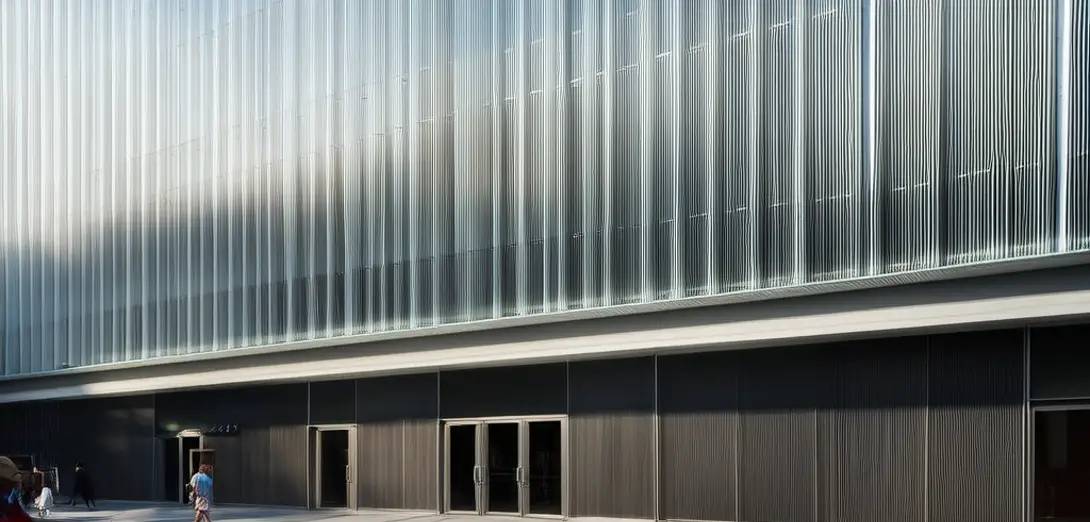
How Batch-0001-015 Dynamically Modulates Photocatalytic Coating Efficiency Under Varying UV Index
批次0001-015如何依据紫外线指数动态调节光催化涂层效率
-
Building façades coated with Batch-0001-015 contain titanium dioxide nanoparticles embedded in a responsive polymer matrix.建筑外立面涂覆的Batch-0001-015涂层含有嵌入响应型聚合物基质中的二氧化钛纳米颗粒。
-
UV photodiodes continuously measure incident solar UV-A and UV-B intensity to adjust coating electron-hole pair generation rates.紫外光电二极管持续测量入射太阳UV-A和UV-B强度,以调节涂层中电子-空穴对的生成速率。
-
When UV index drops below 3, the polymer swells slightly to expose more catalytic sites and compensate for lower photon flux.当紫外线指数低于3时,聚合物轻微溶胀,暴露更多催化位点,以补偿光子通量下降。
-
Above UV index 8, it contracts to limit reactive oxygen species production and prevent premature material fatigue.紫外线指数高于8时,聚合物收缩,限制活性氧物种生成,防止材料过早疲劳。
-
This modulation preserves coating lifespan while maintaining >85% NOx decomposition efficiency year-round.该调控机制在全年维持>85%的NOx分解效率的同时,延长了涂层使用寿命。
-
The system requires no external power—it harvests minute photoelectric currents from the coating itself.系统无需外部供电,仅靠涂层自身产生的微弱光电流即可运行。
-
Urban pilot sites in Madrid and Tokyo recorded 3.2× longer functional durability versus non-adaptive versions.马德里和东京的城市试点数据显示,其功能耐久性是非自适应版本的3.2倍。
-
Researchers calibrated the response curve using decades of satellite-derived UV climatology data.研究人员利用数十年卫星反演的紫外线气候数据校准了响应曲线。
-
Unlike passive photocatalysts, this batch responds to diurnal, seasonal, and weather-driven UV variability.与被动光催化剂不同,该批次能响应昼夜、季节及天气引起的紫外线变化。
-
Its design reflects how environmental feedback loops can make nanomaterials truly adaptive rather than merely reactive.其设计体现了环境反馈回路如何使纳米材料真正具备自适应性,而非仅具反应性。