正在确认阅读权限…
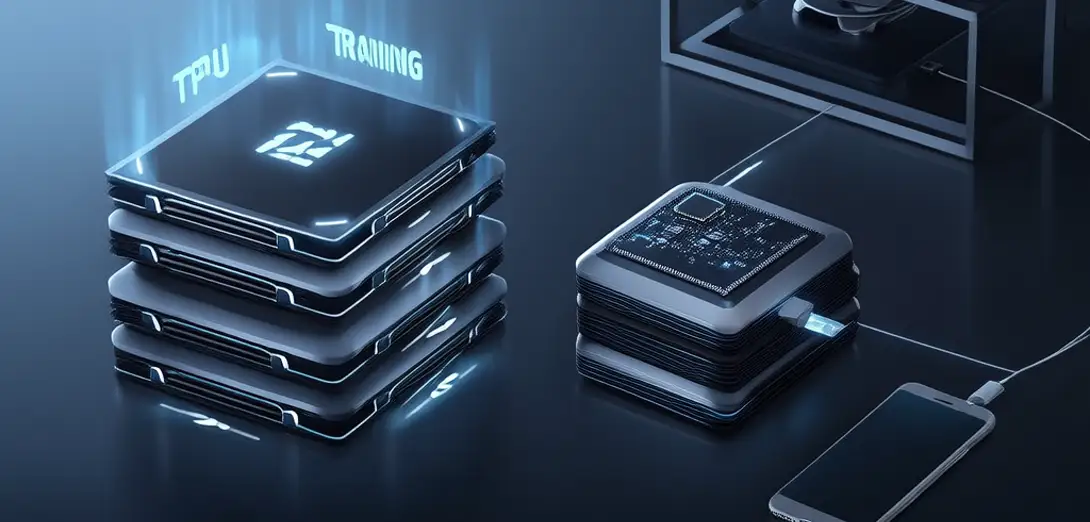
How TPU Chips Separate Training Workloads from Real-Time Inference Tasks
TPU芯片如何分工处理模型训练与实时推理任务
-
TPUs, or Tensor Processing Units, are custom-built chips designed by Google for AI workloads.TPU(张量处理单元)是谷歌专为人工智能任务定制的芯片。
-
They split computing duties: training large models offline and running fast inference on live data streams.它们分工明确:离线训练大模型,实时数据流上快速执行推理。
-
During training, TPUs handle massive matrix multiplications across thousands of cores simultaneously.训练时,TPU在数千个核心上并行处理海量矩阵运算。
-
For inference, they switch to low-latency modes that prioritize speed over computational depth.推理时则切换至低延迟模式,优先保证速度而非计算深度。
-
This separation prevents interference between learning new patterns and delivering instant responses.这种分离避免了学习新规律与即时响应之间的相互干扰。
-
Unlike general-purpose GPUs, TPUs optimize memory bandwidth specifically for tensor operations.与通用GPU不同,TPU专门优化内存带宽以适配张量运算。
-
Engineers configure them so training jobs never delay voice assistants or translation services.工程师配置TPU,确保训练任务不会拖慢语音助手或翻译服务。
-
The chip’s on-board interconnects route data without bottlenecks during concurrent task execution.芯片内置互连结构在并发任务执行时无瓶颈地传输数据。
-
This architecture enables smartphones and cloud servers to share AI intelligence efficiently.该架构让智能手机与云服务器高效共享AI智能。
-
Understanding this division helps explain why your camera recognizes faces instantly after months of cloud training.理解这种分工,就能明白为何你的相机在云端训练数月后能瞬间识别人脸。