正在确认阅读权限…
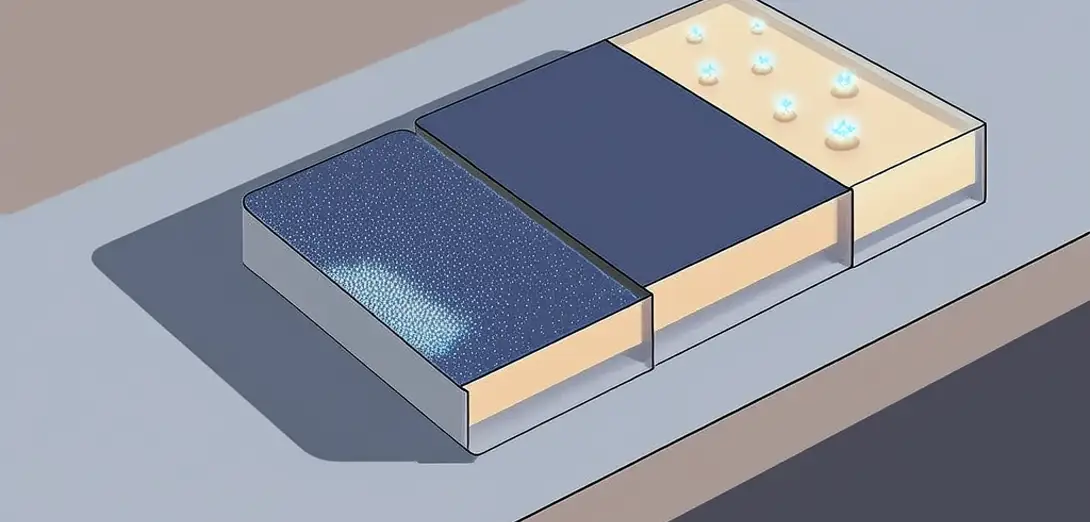
Why Rechargeable Batteries Lose Capacity Over Time
可充电电池为何随时间推移逐渐失容
-
Every time you charge and discharge a lithium-ion battery, microscopic changes occur inside its electrodes and electrolyte.每次给锂离子电池充放电,其电极和电解质内部都会发生微观变化。
-
During charging, lithium ions move from cathode to anode, embedding themselves into graphite layers—a process called intercalation.充电时,锂离子从正极移向负极,并嵌入石墨层中,这一过程称为嵌入。
-
Repeated cycling causes some ions to get trapped or react with electrolyte, forming a solid-electrolyte interphase (SEI) layer.反复充放电会导致部分离子被滞留或与电解质反应,形成固态电解质界面(SEI)层。
-
While a thin SEI protects the anode, thickening over time blocks ion pathways and raises internal resistance.虽然薄SEI层可保护负极,但随时间增厚会阻碍离子通道并增加内阻。
-
Heat speeds up these side reactions, which is why storing batteries at 50% charge in cool places extends lifespan.热量会加速这些副反应,因此将电池在50%电量状态下存放在阴凉处可延长寿命。
-
Cathode materials also degrade: nickel-rich types offer high energy density but suffer faster structural fatigue.正极材料也会退化:高镍材料能量密度高,但结构疲劳更快。
-
Manufacturers now use silicon blends in anodes to absorb more lithium—but swelling remains a key engineering challenge.制造商现于负极中掺入硅材料以提升储锂能力,但膨胀仍是关键工程难题。
-
Smart chargers limit voltage peaks and avoid full 100% charges unless needed, reducing stress on aging cells.智能充电器限制电压峰值,并避免非必要时充满至100%,以减轻老化电芯的压力。
-
Battery management systems track cycle count, voltage decay, and temperature history to estimate remaining health.电池管理系统通过追踪循环次数、电压衰减及温度历史来估算剩余健康状态。
-
Understanding this wear helps engineers design longer-lasting batteries for phones, EVs, and grid storage alike.理解此类老化机制,有助于工程师为手机、电动汽车及电网储能设计更耐用的电池。