正在确认阅读权限…
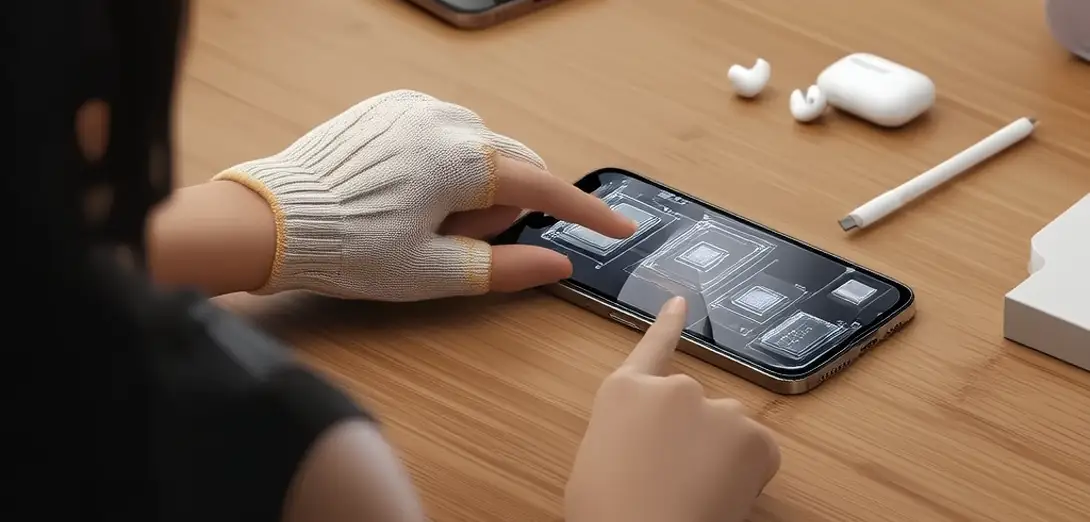
How Touchscreens Distinguish Between Fingers and Gloves
触摸屏如何分辨手指与手套
-
Most smartphones use capacitive touchscreens that sense changes in electrical charge when a conductive object—like a finger—comes near.大多数智能手机采用电容式触摸屏,当导电物体(如手指)靠近时,能感知电荷变化。
-
Human skin holds enough natural moisture and ions to complete a tiny circuit with the screen’s embedded electrodes.人体皮肤含有足够的天然水分和离子,可与屏幕内置电极形成微小回路。
-
Standard gloves block that conductivity, so older screens couldn’t register touches through fabric.普通手套会阻断导电性,因此旧式屏幕无法识别隔着布料的触控。
-
Now, many devices support ‘glove mode,’ which increases sensitivity and scans for weaker, slower capacitive signals.如今许多设备支持‘手套模式’,通过提高灵敏度、检测更微弱缓慢的电容信号来实现触控。
-
Some tablets use hybrid sensors that combine capacitance with infrared or acoustic pulse detection for better accuracy.部分平板电脑采用混合传感器,将电容感应与红外或声波脉冲检测结合,提升精度。
-
Engineers also design special conductive threads into winter gloves—these mimic skin’s electrical properties without sacrificing warmth.工程师还在冬季手套中织入特殊导电纤维,既模拟皮肤导电特性,又不牺牲保暖性。
-
Water droplets confuse basic systems because they conduct too well, triggering false touches—so modern firmware filters rapid, scattered inputs.水滴会干扰基础系统,因其导电性过强而触发误触,因此现代固件会过滤快速、分散的输入信号。
-
Stylus tips made of soft conductive rubber offer precision and pressure sensitivity, useful for artists and note-takers.柔软导电橡胶材质的触控笔尖提供精准度和压力感应,便于艺术家和笔记用户使用。
-
Behind the glass lies a layered stack: sensor grid, controller chip, and adaptive software—all tuned to human interaction.玻璃下方是多层结构:传感器网格、控制芯片及自适应软件,全部针对人体交互优化。
-
This seamless response blends materials science, electronics, and ergonomics into something we barely notice.这种无缝响应融合了材料科学、电子工程与人机工学,却几乎让人察觉不到。