正在确认阅读权限…
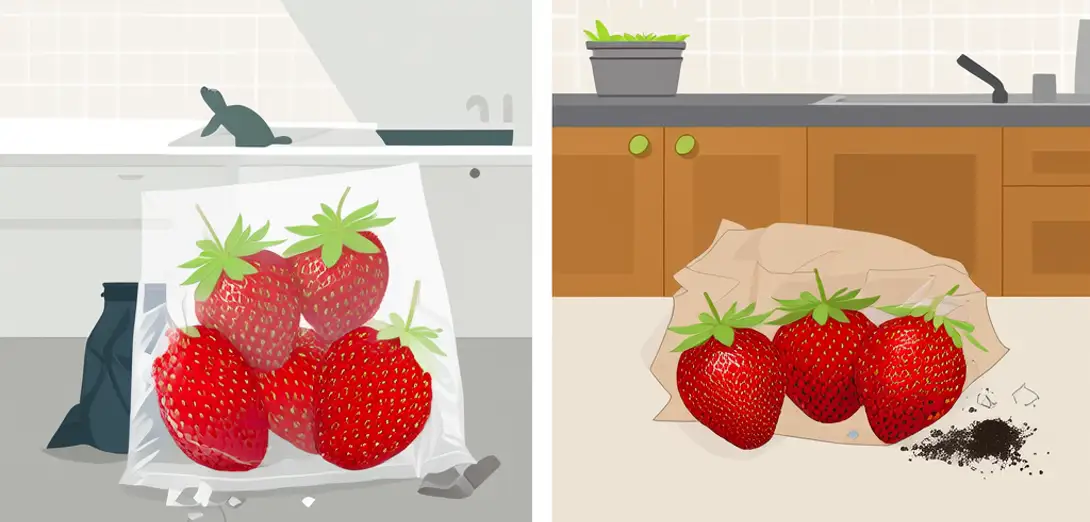
How Biodegradable Packaging Films Slow Down Food Spoilage
可生物降解包装膜如何延缓食物腐败
-
Traditional plastic wraps block oxygen and moisture—but they persist in landfills for centuries and harm marine life.传统塑料保鲜膜能隔绝氧气和水分,却需数百年才能在垃圾填埋场降解,并危害海洋生物。
-
New biodegradable films made from corn starch, cellulose, or seaweed extract offer similar barrier properties with eco-friendly breakdown.新型可生物降解薄膜由玉米淀粉、纤维素或海藻提取物制成,具备相似的阻隔性能,且可环保降解。
-
Some include natural antimicrobials like thyme oil or zinc oxide nanoparticles to inhibit mold and bacterial growth on food surfaces.部分薄膜添加了百里香油或氧化锌纳米颗粒等天然抗菌成分,抑制食物表面的霉菌与细菌滋生。
-
Others feature moisture-responsive layers that release preservatives only when humidity rises—like inside a clamshell salad container.另一些则采用湿度响应层,仅在湿度升高时(如密封沙拉盒内)释放防腐剂。
-
Oxygen scavengers embedded in the film chemically bind residual air, extending shelf life without added chemicals.薄膜中嵌入的除氧剂可与残留空气发生化学反应,无需额外添加防腐剂即可延长保质期。
-
Manufacturers test permeability using ASTM standards, measuring how much O₂ or water vapor passes through per day.制造商依据ASTM标准测试透气性,测量每日透过薄膜的氧气或水蒸气量。
-
Composting conditions matter: industrial facilities provide controlled heat and microbes, unlike backyard piles.堆肥条件至关重要:工业堆肥设施提供可控的温度与微生物环境,家庭堆肥则无法比拟。
-
Certifications like TÜV OK Compost ensure films fully decompose within 180 days without toxic residues.TÜV OK Compost等认证确保薄膜在180天内完全分解,且不残留有毒物质。
-
While cost remains higher than polyethylene, scaling production and policy incentives are narrowing the gap.尽管成本仍高于聚乙烯,但规模化生产和政策激励正逐步缩小这一差距。
-
This innovation links food science, polymer chemistry, and circular-economy design to tackle waste and spoilage together.这项创新融合食品科学、高分子化学与循环经济设计理念,同步应对浪费与腐败问题。