正在确认阅读权限…
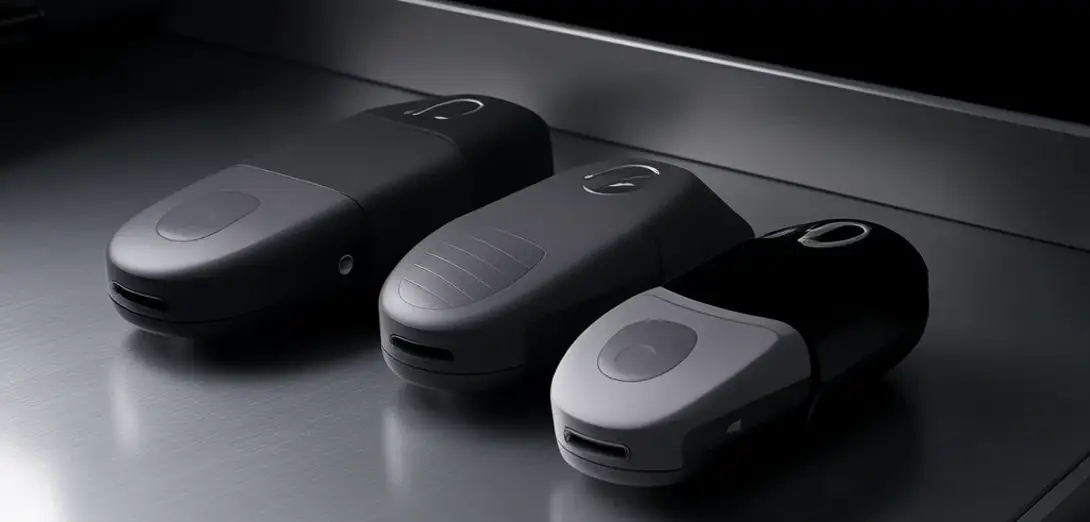
Sampling Protocol: Why Three Versions Are Standard—and Why the Fourth Is Forbidden
打样规范:为何三版是标配,而第四版被禁止
-
Our sampling protocol mandates Version A (functional prototype), B (pre-production match), and C (golden standard)—but explicitly bans Version D, regardless of client pressure.我们的采样规程要求采用A版(功能原型)、B版(量产前匹配版)和C版(黄金标准版),但明确禁止使用D版,无论客户施加多大压力。
-
Version D would imply iterative aesthetic tweaks post-approval, undermining ISO 9001 traceability and costing €18k per revision in lab revalidation.采用D版意味着获批后还需反复调整外观,这将破坏ISO 9001可追溯性,且每次实验室重新验证成本高达1.8万欧元。
-
Clients often confuse ‘visual preference’ with ‘specification compliance’—a distinction our QA checklist forces them to confront early.客户常将‘视觉偏好’与‘规格符合性’混为一谈——而我们的质量检查清单迫使他们在早期直面这一区别。
-
The third sample isn’t a compromise; it’s the first one certified against final packaging, labeling, and multilingual user manual drafts.第三版样品并非折中方案,而是首个依据最终包装、标签及多语种用户手册草案完成认证的版本。
-
When a Tokyo buyer demanded ‘just one more shade adjustment,’ we shared our color tolerance report—not as refusal, but as transparency on measurement variance.当东京买家提出‘再微调一次色相’时,我们向其提供了色彩公差报告——这不是拒绝,而是公开测量偏差的透明做法。
-
Sampling isn’t about perfection; it’s about defining the boundary where subjective taste ends and objective conformity begins.采样不追求完美,而是界定主观品味止步处与客观合规起始处的边界。
-
Every rejected Version D request has revealed deeper misalignment—on sustainability claims, battery certification, or even font licensing for export markets.每一次被拒的D版申请,都暴露出更深层的分歧——如可持续性声明、电池认证,甚至出口市场字体授权问题。
-
We no longer say ‘no’ to extra samples; we show how each additional iteration dilutes the statistical validity of our batch release criteria.我们不再简单拒绝额外样品请求,而是展示每次迭代如何削弱批次放行判定的统计有效性。
-
The real risk isn’t delay—it’s normalizing scope creep under the guise of ‘customer-centricity’.真正的风险并非延误,而是以‘以客户为中心’为名,纵容范围蔓延常态化。
-
Our engineers sign off on Version C only after verifying that every material datasheet matches the declared REACH Annex XIV status.工程师仅在确认所有材料数据表均符合所声明的REACH附件XIV状态后,才签署C版放行。
-
What clients call ‘fine-tuning’ often exposes gaps in their own technical documentation—or ours.客户口中的‘精细调校’,往往暴露其自身或我方技术文档中的漏洞。
-
Three versions aren’t arbitrary; they represent functional validation, process validation, and market validation—none reducible to the next.三个版本并非随意设定:分别对应功能验证、工艺验证与市场验证,三者不可相互替代。