正在确认阅读权限…
Factory Audit Fatigue: How Checklists Conceal Cultural Blind Spots
验厂疲劳:清单如何掩盖文化盲区
-
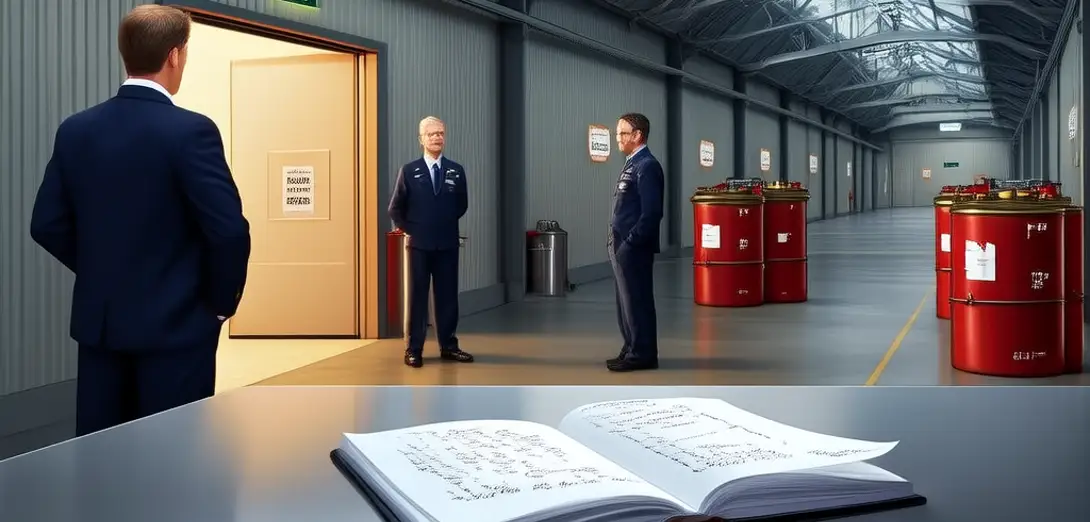
Auditors from Hamburg spent 4.2 hours checking fire exits and chemical storage—but missed the handwritten shift log where overtime hours were systematically underreported.来自汉堡的审计员花了4.2小时检查消防通道和化学品储存,却漏掉了手写的轮班日志——其中加班时间被系统性少报。
-
Our internal audit scorecard includes 17 hard metrics, yet zero questions about how supervisors negotiate unplanned production spikes with workers’ councils.我们的内部审计记分卡包含17项硬性指标,却未设任何问题考察主管如何与工人委员会协商应对突发增产。
-
A ‘compliant’ ventilation system passed inspection—until we learned maintenance logs were kept in dialect, inaccessible to foreign auditors.一套‘合规’的通风系统通过了检查——直到我们发现维保记录用方言书写,外国审计员根本无法阅读。
-
The checklist says ‘emergency drills conducted quarterly,’ but doesn’t ask whether drill scenarios reflect actual flood risks in monsoon season.检查表写明‘每季度开展应急演练’,却未追问演练场景是否真实反映雨季洪涝风险。
-
We now require bilingual photo evidence of training—not just attendance sheets—because ‘conducted’ doesn’t equal ‘understood’ or ‘retained’.我们现在要求提供培训的双语照片证据,而非仅签到表——因为‘开展了’不等于‘理解了’或‘掌握了’。
-
One U.S. auditor flagged our canteen’s stainless-steel tables as ‘non-standard’—ignoring that local food safety law prioritizes thermal conductivity over material grade.一名美国审计员将我方食堂的不锈钢餐桌标为‘非标’——却无视当地食品安全法更看重导热性而非材质等级。
-
Audit fatigue sets in when checklists become ritual rather than diagnostic tools—especially when cultural context dictates implementation logic.当检查表沦为仪式而非诊断工具时,审计疲劳便随之而来——尤其当文化背景决定执行逻辑时。
-
Compliance isn’t binary; it’s a spectrum where ‘meets spec’ may still violate social license to operate in that region.合规不是非黑即白;它是一条光谱,‘符合规范’仍可能在当地丧失社会运营许可。
-
We added a ‘contextual deviation’ column to every audit finding—forcing reviewers to state why a gap matters *here*, not just *in theory*.我们在每项审计发现旁增设‘情境偏差’栏,强制审核人说明该差距为何在此地重要,而非仅在理论上成立。
-
The most dangerous non-conformance isn’t visible on paper—it’s the unspoken agreement between line managers and staff to bypass SOPs during peak season.最危险的不合规行为从不显现在纸面——而是产线经理与员工在旺季心照不宣绕过SOP的默契。
-
Audits should expose power dynamics, not just physical assets—yet few checklists include questions about grievance redressal accessibility.审计应揭示权力关系,而不仅是物理资产——但极少有检查表包含申诉渠道可及性相关问题。
-
When a Vietnamese factory passed all 92 points but failed our informal worker interview round, we revised the entire scoring weight for human factors.一家越南工厂虽通过全部92项检查点,却在我方非正式工人访谈环节失败,促使我们全面重设人为因素的评分权重。