正在确认阅读权限…
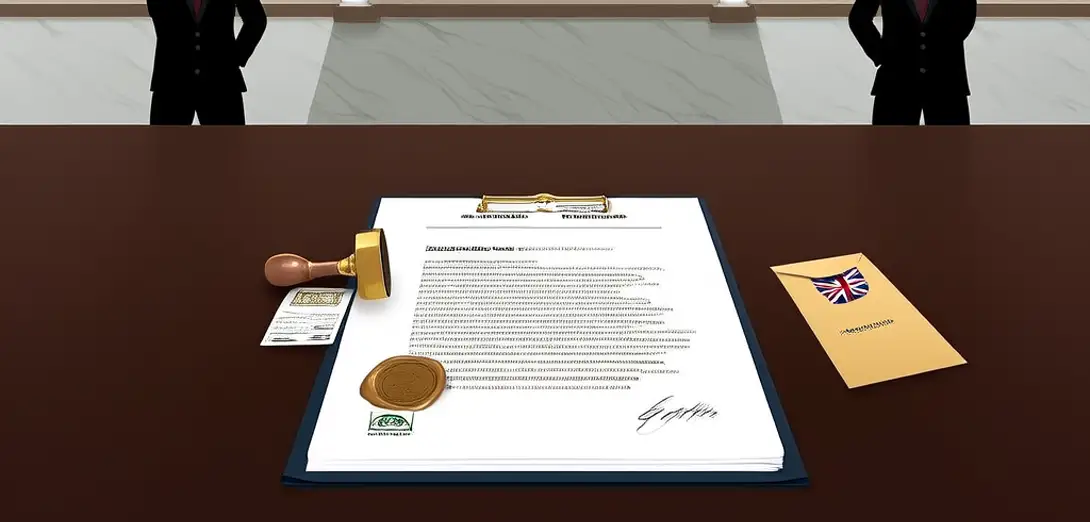
Contract Finalization: Where ‘Standard Terms’ Mask Jurisdictional Landmines
签约终稿:‘标准条款’如何暗藏司法管辖雷区
-
Clause 8.3—buried in ‘standard terms’—named London as arbitration venue, yet the buyer’s registered office, tax ID, and bank account were all domiciled in Dubai.第8.3条——藏于‘标准条款’中——指定伦敦为仲裁地,但买方的注册地址、税号及银行账户均位于迪拜。
-
Our legal team didn’t reject the clause outright; instead, they modeled the enforceability timeline: 14 months minimum if dispute reached High Court.我方法务团队并未直接否决该条款,而是评估了其可执行性时限:若争议诉至高等法院,至少需14个月。
-
‘Incoterms® 2020’ appeared twice—in the price breakdown and in Annex B—but Annex B contradicted Article 12 of the UAE Commercial Transactions Law.《国际贸易术语解释通则®2020》出现两次——一次在价格明细中,一次在附件B中——但附件B与阿联酋《商业交易法》第12条相冲突。
-
We discovered that ‘force majeure’ coverage excluded pandemic-related port closures in the buyer’s country—though WHO declared it a PHEIC 72 days prior.我们发现‘不可抗力’条款未涵盖买方国家因疫情导致的港口关闭——尽管世卫组织已于72天前宣布其为国际关注的突发公共卫生事件。
-
Contract negotiation isn’t about winning concessions; it’s about identifying which clauses function as insurance policies—and which are merely decorative.合同谈判不在于争取让步,而在于识别哪些条款实质上是保险机制,哪些 merely流于形式。
-
The buyer insisted on ‘English law governs,’ unaware that UAE courts rarely uphold foreign governing law in B2B supply disputes involving local performance.买方坚持‘适用英国法’,却不知阿联酋法院在涉及本地履约的B2B供货纠纷中极少承认外国准据法。
-
We replaced boilerplate indemnity language with jurisdiction-specific carve-outs—e.g., GDPR liability capped at 2% of order value for EU buyers.我们将格式化赔偿条款替换为属地化例外条款——例如,针对欧盟买方,GDPR责任上限设为订单金额的2%。
-
What looks like legal redundancy—three definitions of ‘delivery’—is actually layered risk allocation across transport leg, customs clearance, and title transfer.表面重复的法律定义——对‘交付’作出三种界定——实则将运输段、清关、所有权转移三阶段风险分层分配。
-
Finalizing a contract means accepting that some ambiguities won’t be resolved until litigation—so clarity must be strategic, not exhaustive.签署合同意味着接受部分模糊性只能留待诉讼时厘清,因此清晰性须讲求策略,而非追求面面俱到。
-
We now require dual-language side-by-side annexes for all non-English-speaking counterparties—not for translation, but for alignment on operative meaning.我们现要求所有非英语母语交易对手方签署双语并列式附件——目的并非翻译,而是确保操作含义对齐。
-
The most expensive clause isn’t the one you argue over—it’s the one you assume everyone interprets identically.最昂贵的条款并非你反复争执的那一条,而是你默认各方理解完全一致的那一条。
-
A ‘standard’ contract is only standard until it meets the reality of cross-border enforcement, currency controls, or data sovereignty laws.所谓‘标准’合同,仅在遭遇跨境执行、外汇管制或数据主权法规时才暴露其非标准本质。