正在确认阅读权限…
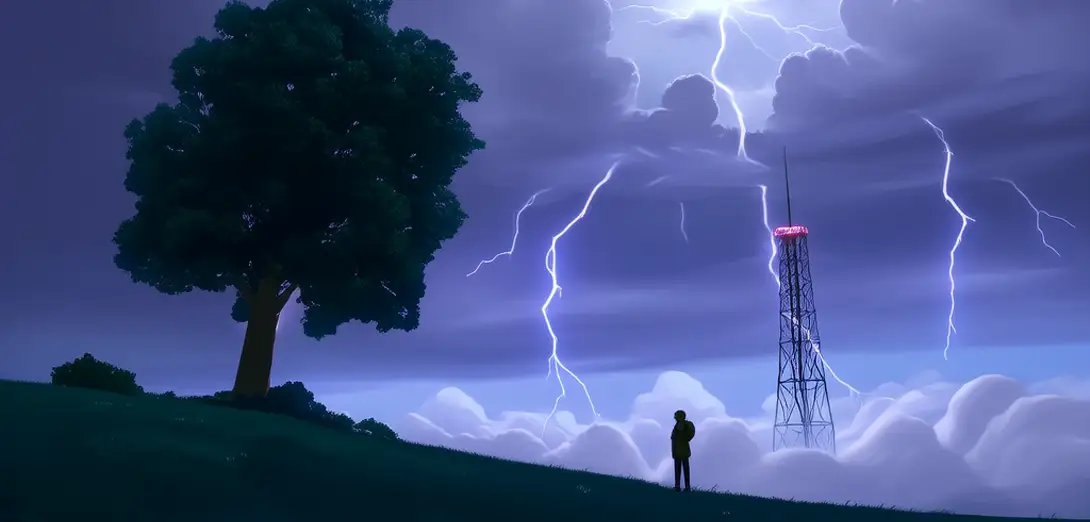
Why Do Lightning Bolts Branch Upward From the Ground During Some Storms?
为什么某些雷暴中闪电会从地面向上分叉?
-
Most lightning appears to strike downward, but it actually begins with invisible upward 'leaders' from tall objects.多数闪电看似自上而下击中地面,实则始于高大物体发出的不可见向上‘先导’。
-
When storm clouds build negative charge, the ground below becomes positively charged by induction.当雷暴云积聚负电荷时,下方地面会因感应而带正电。
-
Sharp structures like towers or trees launch positive streamers that reach up to meet descending negative leaders.塔楼、树木等尖锐结构会向上释放正流光,与下行的负先导相接。
-
The first connection point determines the main lightning path, which then carries massive current downward.首次连接点决定主闪电路径,随后巨大电流沿此路径向下传输。
-
High-speed cameras show upward branching occurs when multiple streamers rise simultaneously from different points.高速摄像显示,当多个流光从不同位置同时上升时,会出现向上分叉现象。
-
Tall buildings and wind turbines frequently initiate upward lightning, especially in winter storms.高楼和风力发电机常引发向上闪电,尤以冬季风暴为甚。
-
This type is more common in mountainous regions where terrain enhances electric field concentration.此类闪电在山区更常见,因地势增强了电场集中效应。
-
Scientists install triggered lightning towers to study upward discharges safely and repeatedly.科学家建造人工引雷塔,以安全、重复地研究向上放电过程。
-
Upward flashes last longer and transfer more charge than typical cloud-to-ground strikes.向上闪击持续时间更长,转移电荷量也大于典型云地闪电。
-
Recognizing this behavior improves lightning protection design for critical infrastructure worldwide.认识这一特性有助于全球关键基础设施的防雷设计优化。