正在确认阅读权限…
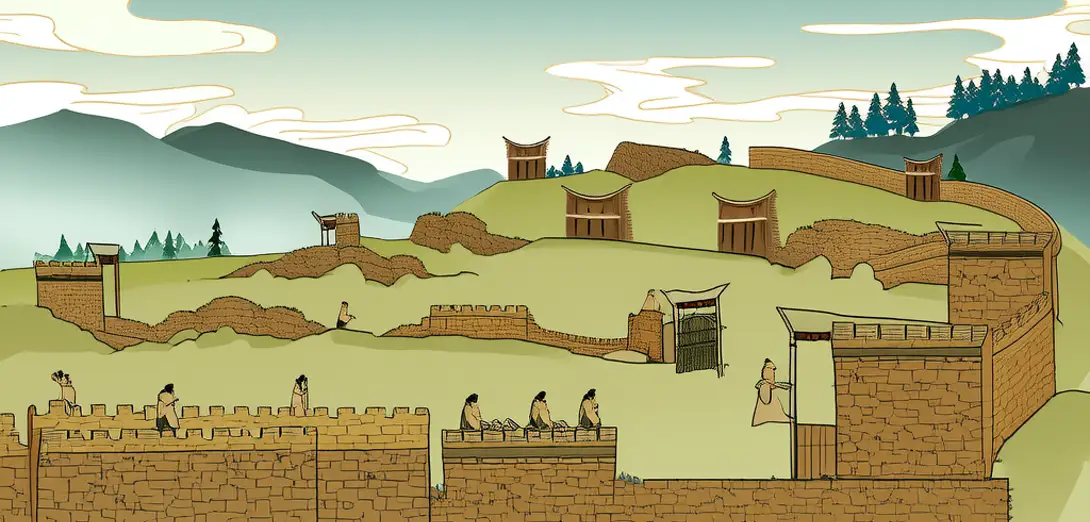
The Great Wall: More Than Just a Barrier
长城:远不止一道屏障
-
China’s earliest wall sections date back to the 7th century BCE, built by separate warring states.中国最早的城墙可追溯至公元前7世纪,由各诸侯国分别修筑。
-
Qin Shi Huang connected and extended them after unifying China in 221 BCE to defend northern borders.公元前221年秦始皇统一中国后,将这些城墙连接并延伸,用以防御北方边境。
-
Later dynasties—especially the Ming—rebuilt large parts using bricks, watchtowers, and garrison stations.后世王朝——尤其是明朝——大规模重建,采用砖石、瞭望塔和驻军站。
-
Soldiers stationed along the wall monitored movement, sent smoke signals, and managed grain supplies for troops.驻守长城的士兵负责监视动向、燃放烽烟,并管理军队粮草供应。
-
Trade also flowed through guarded passes, making places like Jiayuguan important commercial hubs.商旅亦经由设防关隘通行,使嘉峪关等地成为重要商贸枢纽。
-
Farmers settled near watchtowers, growing crops and raising animals to support military life.农民在瞭望塔附近定居,耕种作物、饲养牲畜,以支援军需。
-
Legends like Meng Jiangnu’s weeping show how deeply the Wall shaped folk memory and family sacrifice.孟姜女哭长城等传说,深刻体现了长城对民间记忆与家庭牺牲的影响。
-
Now a symbol of endurance, it invites us to see infrastructure not just as defense—but as living systems of culture and labor.如今,长城作为坚韧的象征,提醒我们:基础设施不仅是防御工事,更是承载文化与劳动的活态系统。