正在确认阅读权限…
The Maya Calendar: Time as a Living Cycle
玛雅历法:时间作为鲜活循环
-
The Maya developed several interlocking calendars, each tracking different rhythms of life and cosmos.玛雅人创制了多个相互嵌套的历法,分别记录生命与宇宙的不同节律。
-
The 260-day Tzolkin guided rituals, agriculture, and naming, while the 365-day Haab tracked seasons and harvests.260天的卓尔金历指导仪式、农耕和命名,365天的哈布历则追踪季节与收获。
-
Every 52 years, both calendars realigned—a moment called the ‘Calendar Round’ filled with deep spiritual meaning.每52年,两套历法重合一次,这一时刻称为‘历法轮回’,蕴含深厚的灵性意义。
-
Priests watched Venus, eclipses, and solstices to fine-tune predictions and advise rulers on key decisions.祭司通过观测金星、日月食和至日,校准预测,并为统治者的关键决策提供建议。
-
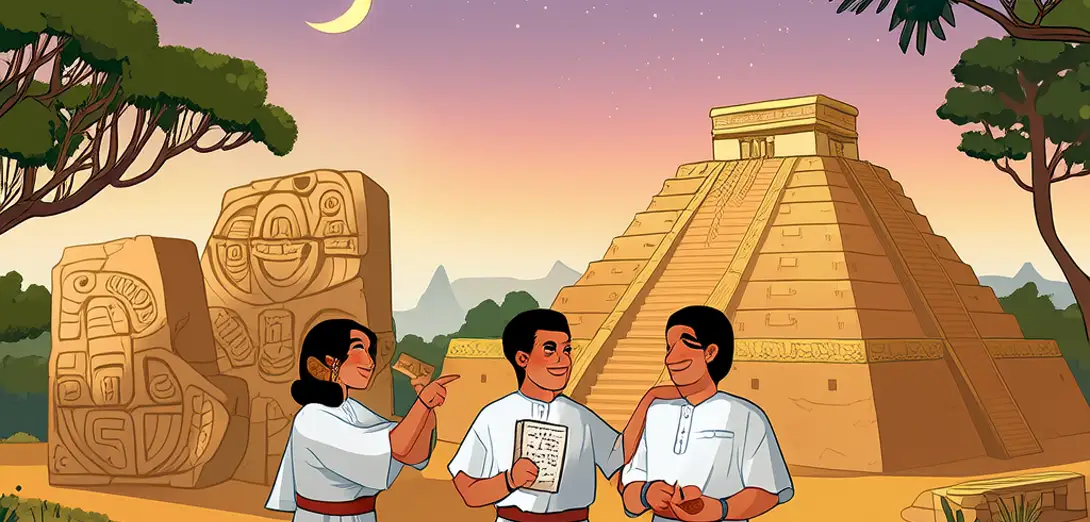
Carved stelae and painted codices recorded dates with astonishing precision, even for events centuries past.雕刻的石碑与彩绘抄本以惊人精度记录日期,甚至可追溯数世纪前的事件。
-
Unlike Western linear time, Maya time was cyclical—each ending opened space for renewal and rebirth.与西方线性时间观不同,玛雅时间是循环的——每个周期的终结都意味着更新与重生。
-
Modern Maya communities still use traditional calendars alongside the Gregorian system for ceremonies and planting.当代玛雅社群仍在仪式与耕种中并用传统历法与公历。
-
Their view reminds us that how we measure time shapes how we understand change, memory, and hope.他们的时空观提醒我们:我们如何计量时间,便如何理解变迁、记忆与希望。