正在确认阅读权限…
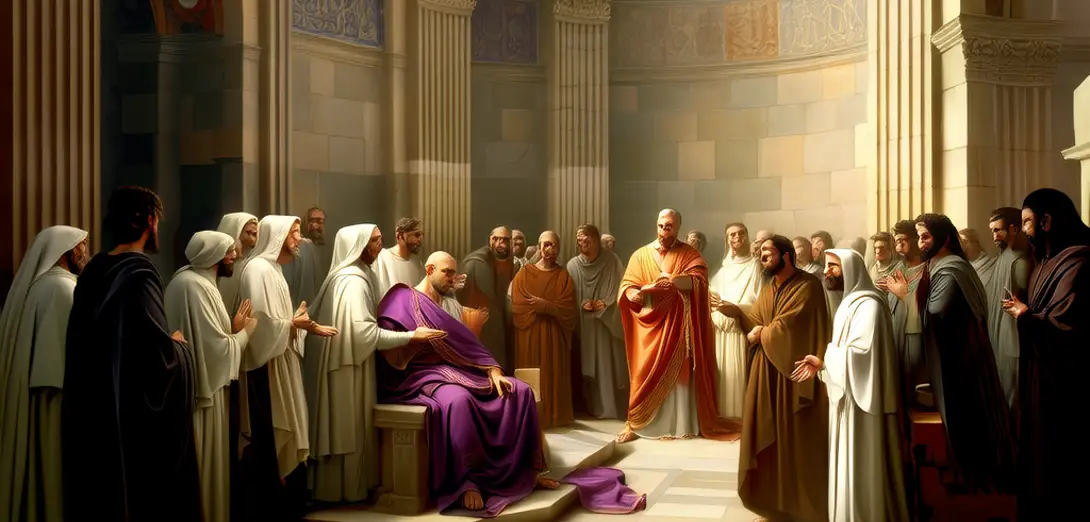
The Council of Nicaea: One Faith, Many Voices
尼西亚公会议:同一信仰,众声交汇
-
In 325 CE, Emperor Constantine convened bishops from across the Roman Empire at Nicaea in modern-day Turkey.公元325年,君士坦丁皇帝在今土耳其境内的尼西亚召集了罗马帝国各地的主教。
-
Their main task was to resolve theological disputes, especially whether Jesus Christ shared the same divine nature as God the Father.他们的主要任务是解决神学争端,尤其是耶稣基督是否与圣父具有同等的神性。
-
After weeks of debate, over 300 bishops approved the Nicene Creed, affirming Christ’s full divinity and unity with the Father.经过数周辩论,三百多位主教通过《尼西亚信经》,确认基督完全的神性及其与圣父的合一。
-
The council standardized Easter’s date, regulated clergy conduct, and established early church governance procedures.会议统一了复活节日期,规范了神职人员行为,并确立了早期教会治理程序。
-
Though Greek was the language of discussion, translations helped delegates from Egypt, Syria, Gaul, and North Africa participate fully.尽管讨论使用希腊语,但翻译帮助来自埃及、叙利亚、高卢和北非的代表充分参与。
-
Constantine did not dictate doctrine but used imperial authority to enforce consensus and suppress dissenting views.君士坦丁并未直接规定教义,而是动用皇权强制推行共识、压制异议。
-
Bishops returned home carrying copies of the creed, which became a liturgical and doctrinal anchor for centuries.主教们携《信经》抄本返回各地,该文件此后数百年成为礼仪与教义的基石。
-
The meeting showed how religion, politics, and empire intertwined as Christianity moved from persecuted sect to state religion.此次会议展现了宗教、政治与帝国如何交织——基督教正从受迫害的教派转变为国教。
-
Its decisions shaped Christian identity far beyond Rome’s borders, influencing theology in Ethiopia, Armenia, and Persia.其决议深刻塑造了罗马疆域之外的基督教身份,影响远及埃塞俄比亚、亚美尼亚和波斯。
-
Nicaea thus stands as a pivotal moment when belief was formalized—and institutionalized—across continents.因此,尼西亚标志着信仰首次在各大洲被正式确立并制度化,成为关键转折点。