正在确认阅读权限…
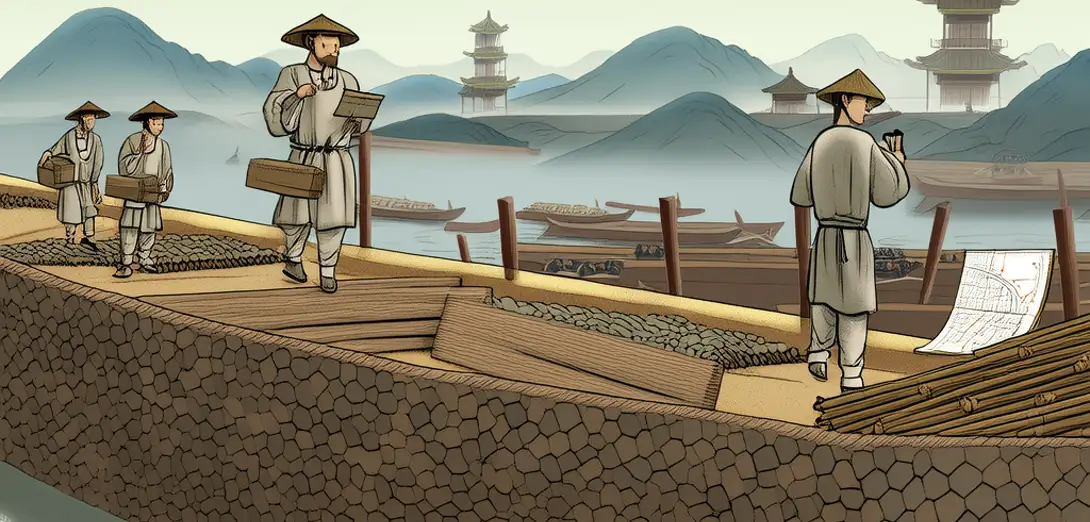
Batch 0001-012: The Sui Dynasty and the Grand Canal’s Unifying Force
批次0001-012:隋朝与大运河的统合之力
-
Between 581 and 618 CE, the Sui Dynasty reunified China after centuries of division.公元581年至618年,隋朝结束了中国长达数百年的分裂局面,重新统一全国。
-
Emperor Yang ordered the construction of the Grand Canal to link northern and southern China.隋炀帝下令开凿大运河,以连接中国南北。
-
Over one million laborers dug the 1,700-kilometer waterway using simple tools and immense effort.逾百万劳工使用简陋工具、耗费巨大人力,挖通了这条长达1700公里的水道。
-
Grain, salt, silk, and troops moved efficiently between the Yellow and Yangtze River basins.粮食、食盐、丝绸及军队得以在黄河流域与长江流域之间高效运输。
-
The canal reduced regional autonomy by enabling central control over food supply and taxation.运河削弱了地方自主性,使中央得以掌控粮赋与税收。
-
It fostered cultural exchange between north and south, blending dialects, cuisines, and administrative practices.它促进了南北文化交流,融合了方言、饮食和行政制度。
-
Though costly and unpopular at the time, it sustained imperial stability for over a millennium.尽管耗资巨大且当时不得民心,却为帝国稳定延续了千余年。
-
Later dynasties maintained and expanded it, making it the world’s longest artificial waterway.后世王朝持续维护并扩建运河,使其成为世界最长的人工水道。
-
Its economic impact rivaled that of the Roman road network in scale and longevity.其经济影响在规模与持久性上可与罗马道路网相媲美。
-
The canal remains navigable today, a testament to ancient Chinese engineering foresight.至今运河仍可通航,彰显古代中国工程的远见卓识。