正在确认阅读权限…
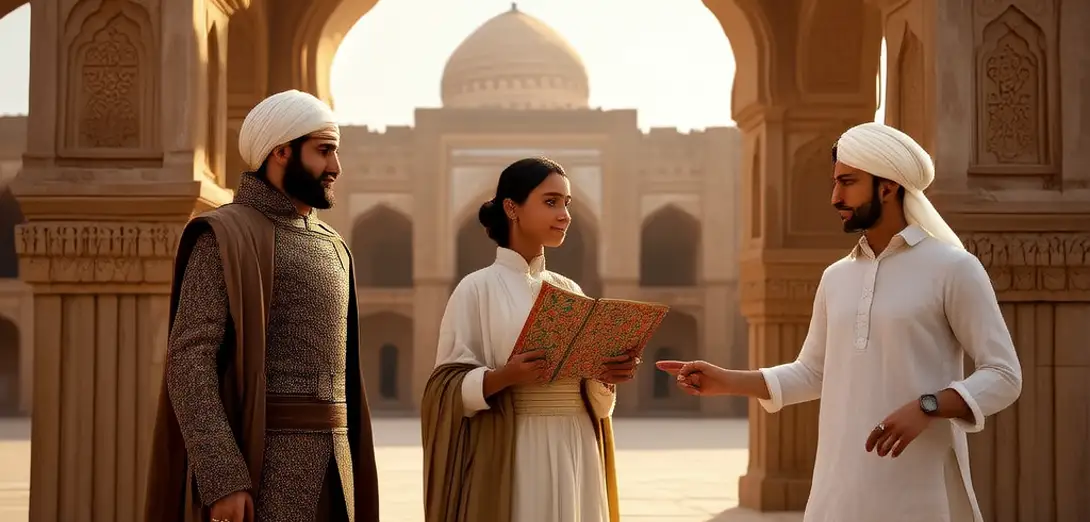
Batch 0001-008: The Mughal Empire and the Synthesis of Persian and Indian Traditions
批次0001-008:莫卧儿帝国与波斯—印度传统的融合
-
Founded in 1526, the Mughal Empire blended Turco-Mongol, Persian, and Indian political traditions.莫卧儿帝国成立于1526年,融合了突厥-蒙古、波斯与印度的政治传统。
-
Akbar the Great promoted sulh-i-kul, or 'universal peace,' to unify diverse religious communities.伟大的阿克巴推行‘普遍和平’(sulh-i-kul),以统一多元宗教社群。
-
Persian became the court language, while Sanskrit, Hindi, and regional tongues thrived in local administration.波斯语成为宫廷语言,而梵语、印地语及各地方言则在地方行政中蓬勃发展。
-
Architects fused Islamic domes and minarets with Hindu motifs like lotus carvings and chhatris.建筑师将伊斯兰穹顶与宣礼塔,同莲花雕刻、亭阁等印度教纹样融为一体。
-
Miniature painting schools combined Persian precision with Rajput color palettes and narrative styles.细密画流派融合波斯的精细技法与拉杰普特的色彩体系及叙事风格。
-
Land revenue systems integrated pre-existing Hindu village councils and Persian accounting methods.土地税收制度整合了既有的印度教村议会与波斯会计方法。
-
Forts like Fatehpur Sikri embodied cosmopolitan ideals through bilingual inscriptions and mixed iconography.法泰赫普尔西克里等要塞通过双语铭文与混搭图像,体现世界主义理想。
-
This synthesis enabled administrative continuity across South Asia for over two centuries.这种融合使南亚地区保持了两个多世纪的行政连续性。
-
Even after decline, its legal, artistic, and linguistic legacies shaped modern India and Pakistan.即便帝国衰落后,其法律、艺术与语言遗产仍深刻影响着现代印度与巴基斯坦。
-
The Taj Mahal stands as both a mausoleum and a symbol of enduring cultural dialogue.泰姬陵既是一座陵墓,也是持久文化对话的象征。