正在确认阅读权限…
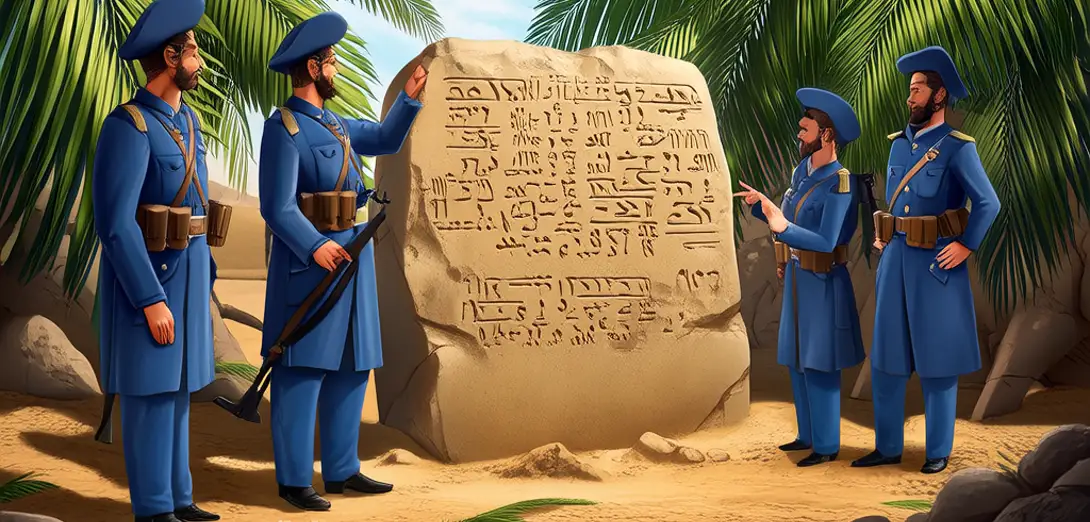
The Rosetta Stone: Cracking an Ancient Code
罗塞塔石碑:破译古文字的钥匙
-
Found in 1799 by French soldiers near Egypt’s Nile Delta, the Rosetta Stone dates back to 196 BCE.罗塞塔石碑于1799年被法国士兵在埃及尼罗河三角洲附近发现,可追溯至公元前196年。
-
It carries the same royal decree in three scripts: Greek, Demotic (everyday Egyptian), and Hieroglyphic.石碑上刻有同一份皇家法令,使用三种文字:希腊文、世俗体(日常埃及文)和象形文字。
-
Scholars had read Greek for centuries, so it offered a clear path to understand the other two.学者们已研读希腊文数百年,因此它为破译另两种文字提供了清晰路径。
-
Thomas Young identified recurring names like ‘Ptolemy’ in the cartouches—oval frames around royal names.托马斯·杨在椭圆形王名圈中识别出反复出现的名字,如‘托勒密’。
-
Jean-François Champollion, building on Young’s work, realized hieroglyphs were partly phonetic, not just symbolic.让-弗朗索瓦·商博良在杨的研究基础上,意识到象形文字部分表音,并非纯象征性。
-
By 1822, he matched sounds to signs and unlocked over a thousand years of silenced Egyptian writing.到1822年,他成功将语音与符号对应,解开了沉寂千余年的古埃及文字。
-
Museums, schools, and language apps now use the Rosetta Stone as a metaphor for breakthrough understanding.如今,博物馆、学校和语言学习应用常以‘罗塞塔石碑’比喻突破性理解。
-
Its legacy teaches us that patience, collaboration, and cross-cultural tools can revive lost voices.它的遗产启示我们:耐心、协作与跨文化工具能重唤失落的声音。