正在确认阅读权限…
Monsoons: When Winds Rewrite the Calendar
季风:风如何重写日历
-
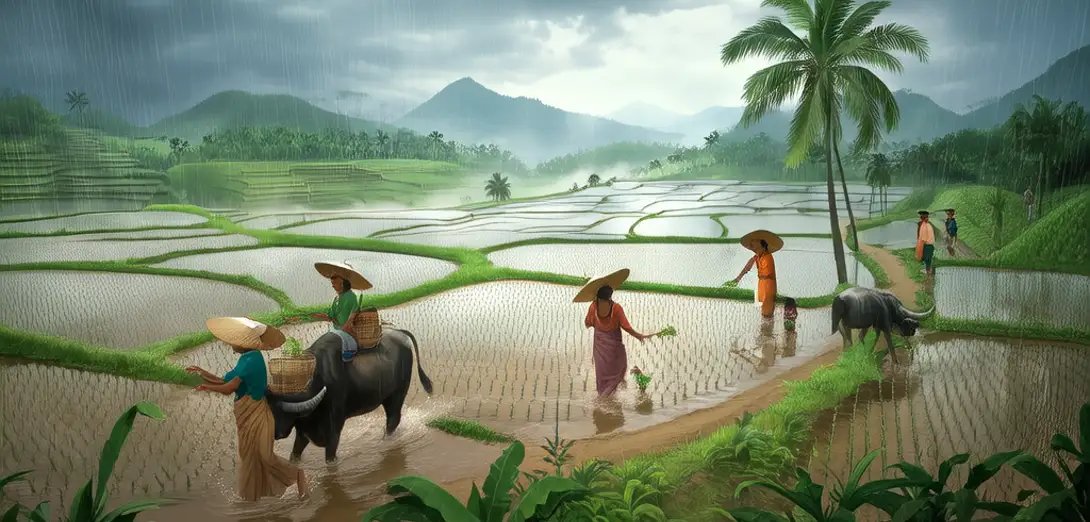
Monsoon seasons shape life across South and Southeast Asia, bringing up to 90% of annual rainfall in just a few months.季风季节塑造着南亚和东南亚的生活,短短几个月内带来全年高达90%的降雨。
-
These winds reverse direction twice yearly due to temperature differences between land and ocean surfaces.这些风因陆地与海洋表面温差,每年两次改变方向。
-
Farmers in India time planting and harvesting around monsoon onset, which varies by only about five days on average.印度农民根据季风来临时间安排播种和收获,其平均变化仅约五天。
-
Urban flooding in Dhaka or Mumbai often results not from rain intensity alone, but from poor drainage and rapid land-use change.达卡或孟买的城区内涝,往往不仅源于雨强,更因排水不畅和土地利用快速变化所致。
-
Climate models suggest monsoon onset may delay slightly this century, while rainfall extremes become more frequent.气候模型预测,本世纪季风来临时间可能略有推迟,而强降雨事件将更频繁发生。
-
In Myanmar, traditional rice varieties grown before the monsoon still thrive in flood-prone delta areas today.缅甸三角洲易涝地区至今仍种植着季风前栽培的传统水稻品种。
-
The Arabian Sea branch brings moisture to Pakistan’s Indus Valley, supporting wheat and cotton farming despite arid conditions.阿拉伯海分支为巴基斯坦印度河流域带来水汽,使干旱条件下的小麦和棉花种植成为可能。
-
Meteorologists now use satellite data and AI to improve monsoon forecasts, helping governments prepare for droughts or floods.气象学家如今利用卫星数据和人工智能改进季风预报,助力政府应对干旱或洪灾。